City’s Broken Promise: $312 Million Later, Still No Fire Protection for Half the City
Three Bonds, Zero Hydrants: The City’s Failure to Protect the Westside from the Next Firestorm

• • • • • • • • • • February 2026 • • • • • • • • • •
Although a 2020 City bond measure raised at least $151 million to fund more robust water pipelines in San Francisco’s westside neighborhoods to help put out potentially massive fires after a major earthquake, bad math and inflation are burning through that money, leaving large areas more vulnerable to conflagrations following the “big one.”
San Francisco’s Two Types of Fire Hydrants
San Francisco has two types of fire hydrants. Across the City, there are approximately 9,000 white-topped, low-pressure hydrants that are supplied by domestic drinking water mains. And then there are about 1,600 hydrants that are supplied by the high-pressure water mains of the Auxiliary Water Supply System (AWSS). The AWSS hydrants have red, blue or black tops. Armed with that information, you can keep an eye out for them as you move about the city.
A Lesson from 1906: Fire After the Earthquake
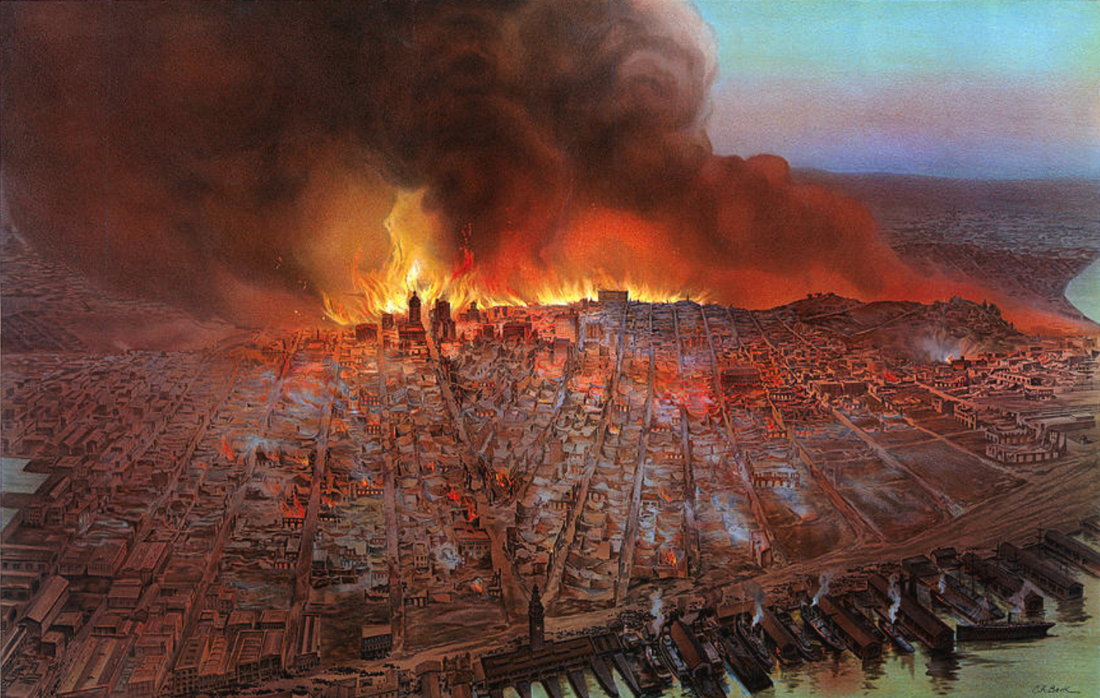
The AWSS was first installed following the 1906 earthquake and fire. The people and leaders of San Francisco understood something that too many of us fail to remember now — that as much as 80% of the deaths and destruction in 1906 occurred after the earthquake in the conflagrations that ensued, claiming over 27,000 buildings and thousands of lives in the firestorm.
San Francisco built a seismically resilient, high-pressure hydrant system to help firefighters fight major fires after a catastrophic earthquake. When the original AWSS was completed in 1913, it did not extend west of 12th Avenue in The Richmond, west of 19th Avenue in The Sunset, or into the city's southern neighborhoods because, for the most part, those neighborhoods did not yet exist. And the people living in Carville-by-the-Sea never expected anyone was going to build the AWSS down to their little cluster of houses built out of horse-cars and cable-cars just off Ocean Beach.

in the sixteen years since the PUC took over this hydrant system from SFFD in 2010, and despite $312.5 million set aside to expand it throughout the City, the SFPUC still hasn't produced a coherent plan for any of the unprotected neighborhoods.”
An Outdated Network with Gaps Across the City
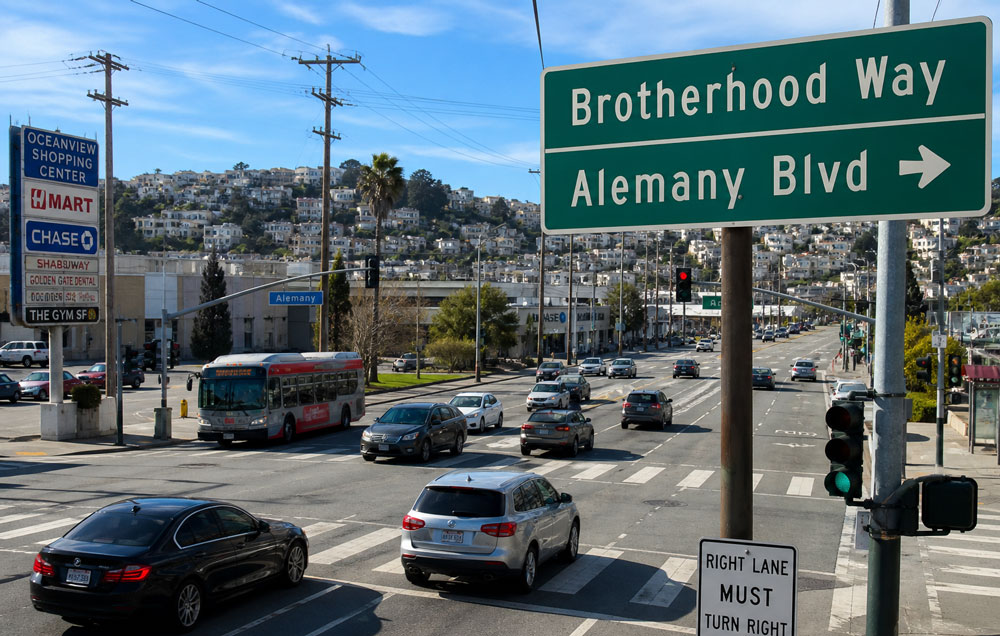
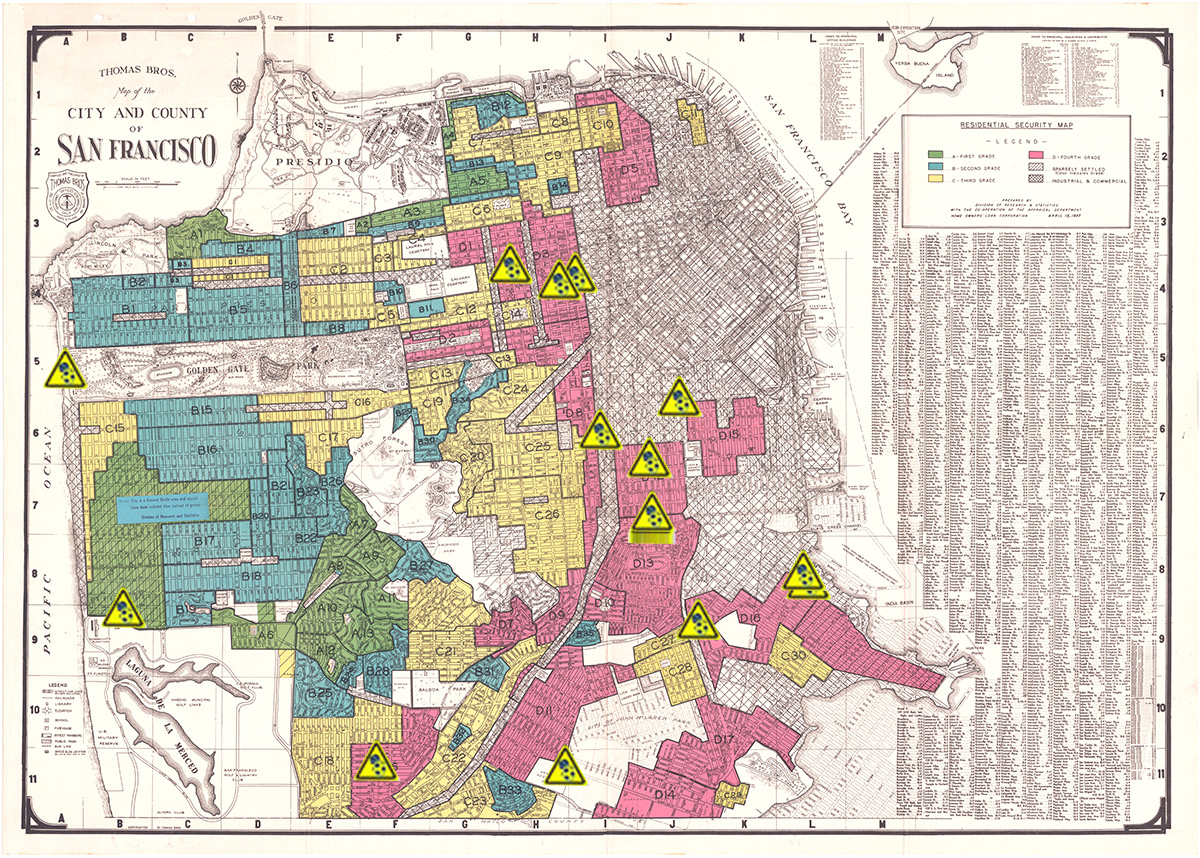
However, in the 113 years since that time, as the western and southern neighborhoods have filled in with thousands of homes and businesses, AWSS has not been expanded. In more than 15 San Francisco neighborhoods, including Bayview Heights, Crocker Amazon, Excelsior, Ingleside, Little Hollywood, Merced Manor, Mission Terrace, Oceanview, Outer Mission, Outer Richmond, Outer Sunset, Parkside, Portola, Sea Cliff, Stonestown and Sunnyside, there are no high-pressure hydrants.
Broken Promises and Bond Money
Not only have 113 years passed, but in the last 16 years, San Francisco voters have approved three Earthquake Safety and Emergency Response (ESER) bonds, yet not a single AWSS hydrant has been installed in any of the 15 aforementioned neighborhoods.
A total of $312.5 million in ESER bond allocation was promised to San Francisco voters, on three separate occasions, to be made available to fund the expansion of the AWSS into neighborhoods where it was lacking. In 2010, 2014, and again in 2020, San Francisco voters approved ESER bonds, in large part because they were promised that the SFFD's high-pressure hydrant system would be expanded to fight fires after earthquakes, like the firestorms that destroyed the City in 1906.
Decisions Behind Closed Doors
A self-appointed group of four people—the department heads of SFPUC, DPW, and SFFD—determined how that money was spent. This group doesn't hold public meetings, doesn't keep minutes of its secret meetings, and doesn't provide a means for public comment. Moreover, two of the ESER bond's original "Management Operating Committee (MOC)" members have now gone to Federal prison for corruption.
Abandoning the “Gold Standard” of Fire Protection
After the passage of the 2014 ESER bond measure, the SF Public Utilities Commission (SFPUC) stated that the city no longer planned to extend the AWSS into those neighborhoods. SFPUC then moved to sell millions of dollars' worth of materials that the city had procured for AWSS expansion. Despite what was promised to voters, the city had decided to abandon the gold standard—citywide expansion of AWSS.
Another Bond on the Horizon, Same Old Story
The fiscal brain trust over at City Hall has decided to move up the next ESER bond round from 2028 to this year and put it on the June 2026 ballot. When you're doubling down on a Faustian Bargain, you want to be sure you do it quickly and, hopefully, nobody will notice. But San Francisco residents are increasingly noticing.
Just like the three previous ESER bonds, the June 2026 iteration does not guarantee extending the high-pressure hydrant system into unprotected neighborhoods. Voters have been told, repeatedly, that the PUC and DPW are going to follow the findings of the Civil Grand Jury report that concluded — if we fail to expand the City's high-pressure hydrant system into all residential neighborhoods, and do so urgently, much of the City will burn following the next big earthquake.
Warnings Ignored: What the Civil Grand Jury Found
However, in the sixteen years since the PUC took over this hydrant system from SFFD in 2010, and despite $312.5 million set aside to expand it throughout the City, the SFPUC still hasn't produced a coherent plan for any of the unprotected neighborhoods.
Sixteen Years, No Plan for Safety
The high-pressure hydrant system belonged to the San Francisco Fire Department for 97 years, from 1913 to 2010. During those 97 years, the SFFD installed an average of 118 new hydrants every 15 years. In 2010, the hydrant system transferred to SFPUC, the same year the first of three ESER bonds was passed by the voters.
History Repeats Itself Without Preparation
When The Big One arrives, as every San Francisco resident knows it will, how will SFFD firefighters stop the spread of fire from building to building and, soon thereafter, from block to block? The simple answer is that without an adequate high-pressure water supply, they will not. Conflagrations and firestorms will result, just as they did in 1906.
John Crabtree Sunset Resident, District 4
February 2026