Editor’s Note: Opinions expressed by contributors to the Westside Observer are the author’s point of view. They do not reflect the position of WSO. As always, we welcome opposing commentary submissions.
Opinion | San Francisco Politics
Prop. A Under Fire: Critics Say Lurie’s Bond Argument Misleads San Francisco Voters
A sharp critique of the June 2026 earthquake safety bond contends City Hall is overstating what the measure would actually deliver to neighborhoods still vulnerable to post-earthquake fire.

• • • • • • • • • • April 2026 • • • • • • • • • •
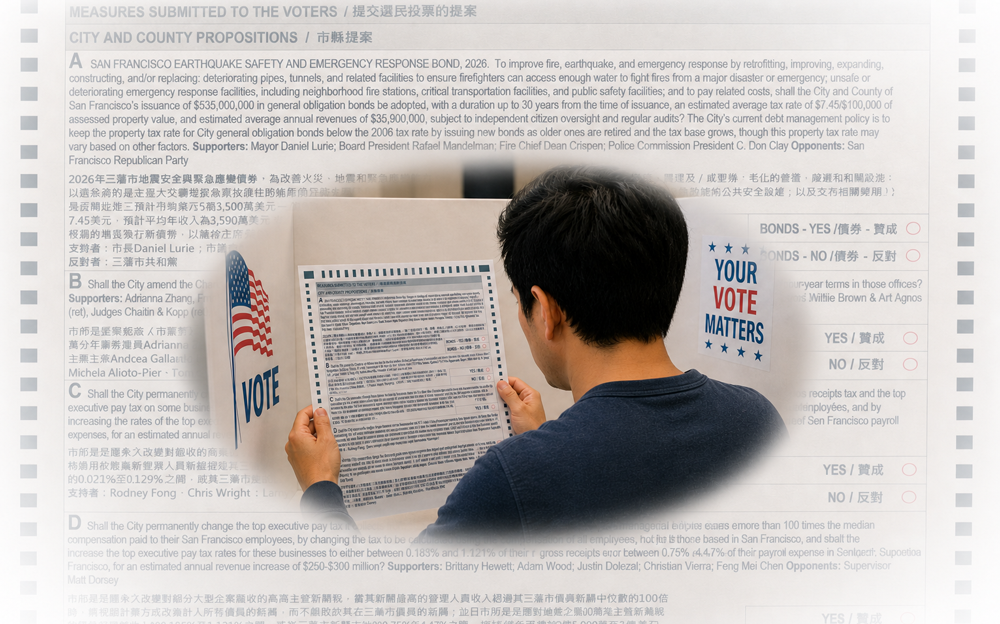
The second week of March marked the opening of ballot-argument submissions for the June 2 election and the bond measures that will appear in the San Francisco Department of Elections Voter Information Pamphlet
Mayor Daniel Lurie opened the process for Prop. A — the bond measure intended to establish the 2026 version of the Earthquake Safety and Emergency Response (ESER) Bond — by drafting and submitting the official proponent ballot argument for the June 2 ballot.
Critics Charge False Claims in the Official Voter Pamphlet
Mayor Lurie’s Prop. A ballot argument contains multiple inaccuracies and prevarications. Focusing on one claim that is among the most egregious examples of misleading language in the mayor’s case for the bond.
Many have cautioned, in background conversations, that the mayor’s political popularity places him beyond criticism, or that he should not be held fully accountable for a ballot argument covering issues and policies he may not completely understand.
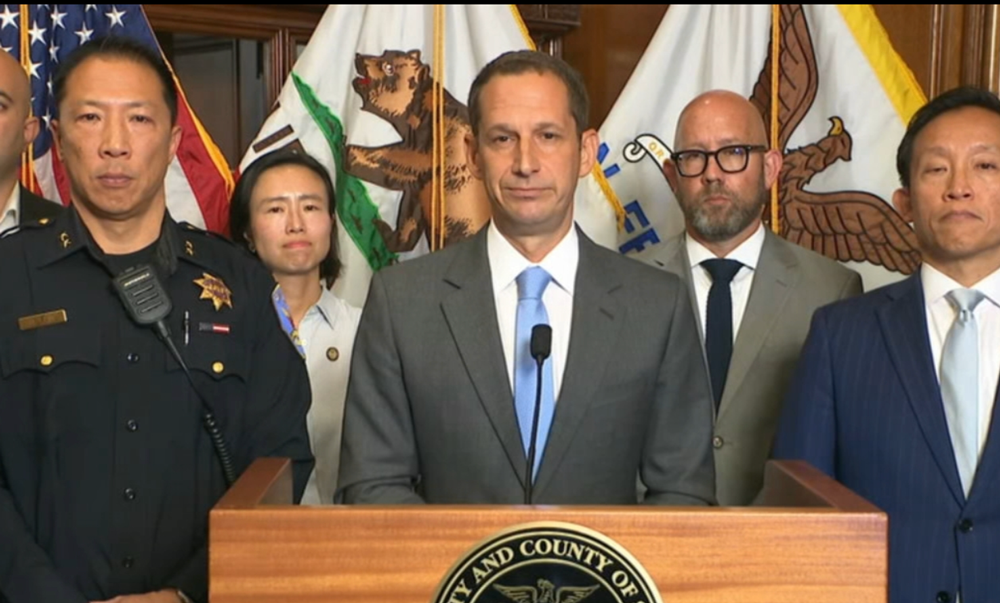
But the integrity of the Voter Information Pamphlet demands more from anyone who signs and endorses an official ballot argument. San Francisco voters rely on the pamphlet to help decide how they will vote on major public questions, including bond measures. Intentionally using that document to mislead voters is fundamentally anti-democratic — and neither political popularity nor claimed ignorance excuses falsehoods embedded in an official ballot statement.
“Strengthening San Francisco’s emergency firefighting water system. Prop. A upgrades and extends high-pressure water lines, hydrants, and key connection points to improve reliability and coverage on the Westside and every neighborhood in every corner of San Francisco.”
False. While it is not the only disputed claim in the ballot argument, it is the one examined here.
The Westside Promise Does Not Add Up
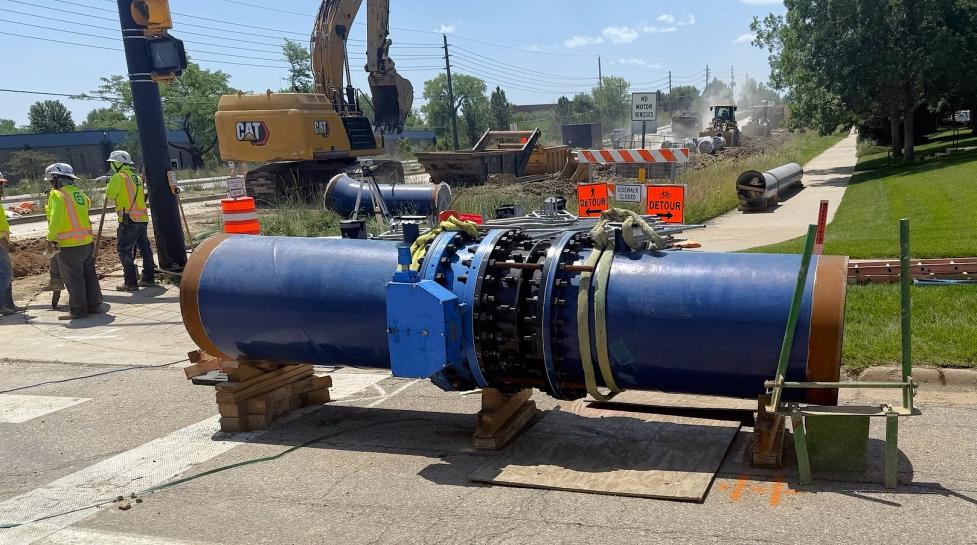
Prop. A’s $130 million allocation for emergency firefighting water-supply infrastructurewill not deliver the largely unplanned and likely unworkable “Westside Potable EFWS Project,” also described here as the SFPUC’s “Boondoggle Pipe,” across even the Sunset District, much less across Golden Gate Park into the Richmond.
Using an estimated cost of $42 million per mile cited to the SFPUC, the city may be fortunate to extend pipe from Lake Merced to any point significantly north of Sloat Boulevard.

My parents taught me that when one says something that they know to be false, that is deceit, other words apply too; prevarication … mendacity … take your pick.”
As for the promise of reaching “every neighborhood in every corner of San Francisco,” voters can dismiss that claim entirely, because the city’s remaining unprotected neighborhoods are nowhere close to receiving post-earthquake firefighting pipelines under the current mayor or this ESER bond program.
Sixteen Years, Three Bonds, and No New Protection
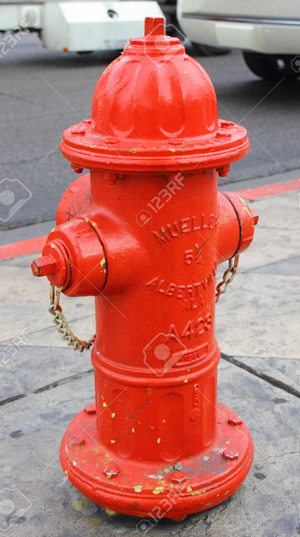
— missing in many neighborhoods
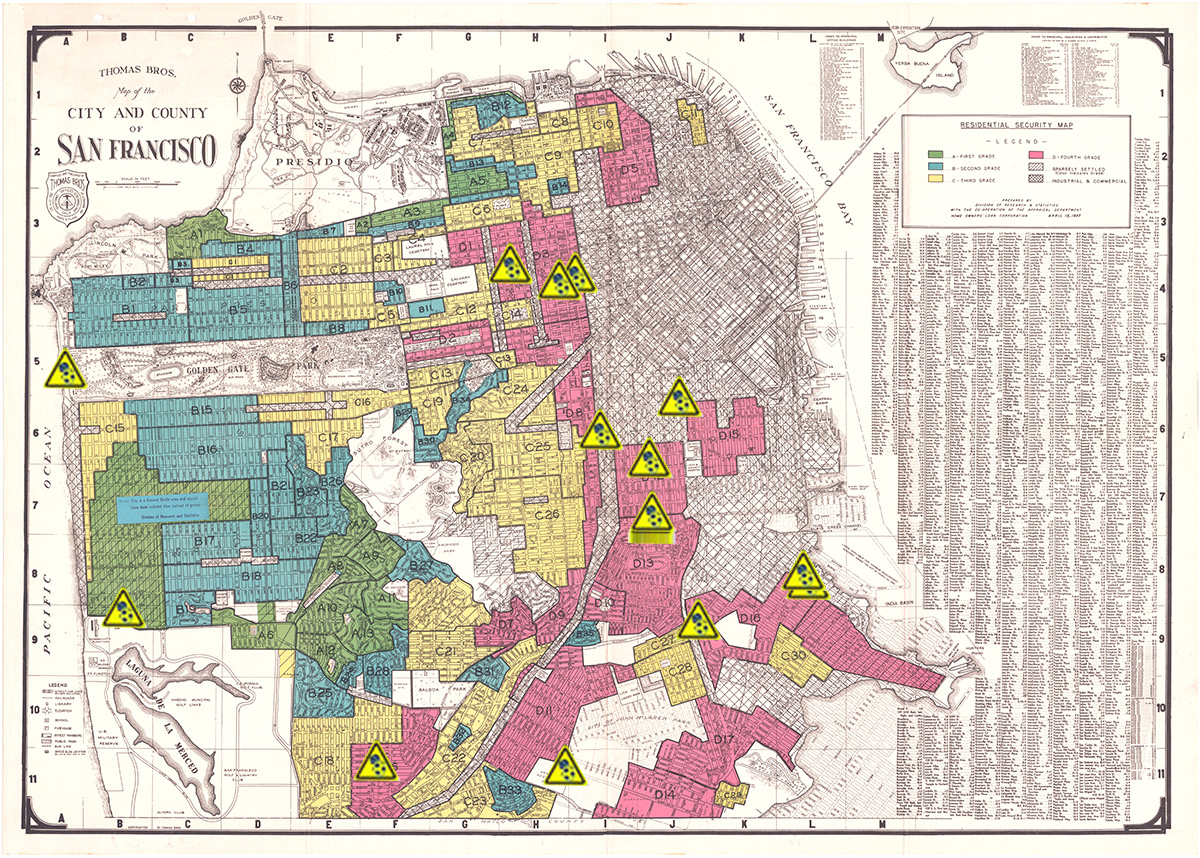
The essay further argues that the city has never confronted the ESER bond program’s failure to deliver even a single high-pressure firefighting hydrant or a single mile of emergency firefighting pipeline to any of the more than 15 neighborhoods that remain vulnerable to post-earthquake firestorms.
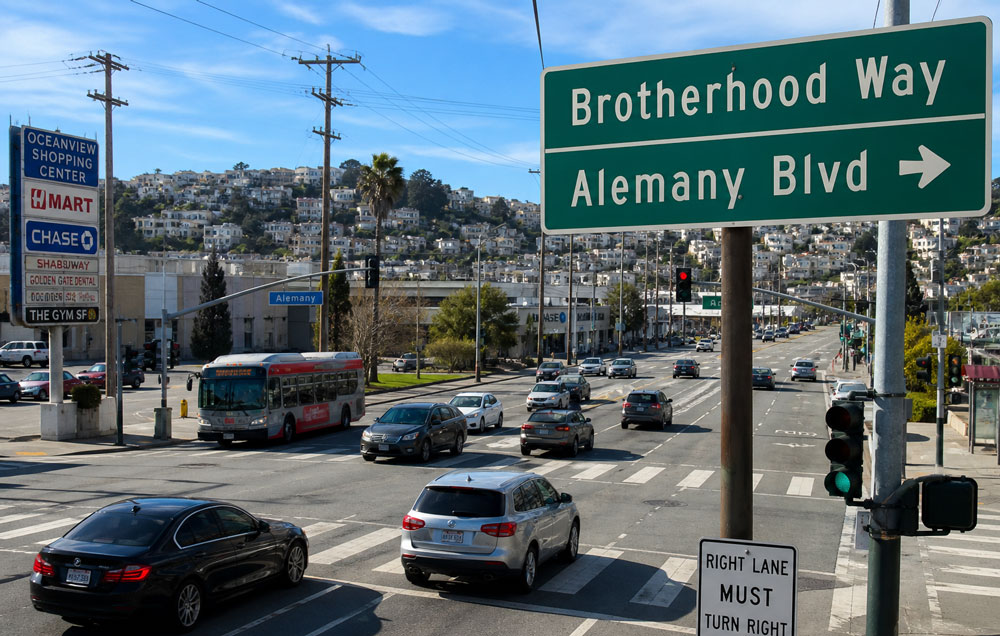
vulneragble neighborhoods include Hunters Point, Bayview Heights, Excelsior, Crocker Amazon, the Outer Mission, Little Hollywood, Sea Cliff, Parkside, Portola, Ingleside, Merced Manor, Oceanview, Stonestown, Sunnyside, the Outer Richmond, and the Outer Sunset as neighborhoods still left unprotected. Each of them deserves honesty and candor in this debate — something this proponent ballot argument allegedly fails to provide.
The numbers presented are stark: 16 years, three bonds approved, and $1.44 billion borrowed and spent — yet zero high-pressure emergency firefighting hydrants installed and zero miles of emergency firefighting pipeline laid in San Francisco’s unprotected neighborhoods.
Now, City Hall is asking voters to approve another $535 million, including $200 million — or 38 percent — for an SFMTA Muni bus facility, while asking the public to believe that emergency firefighting water will finally reach the city’s western and southern neighborhoods — that claim has no remaining credibility.
“They Know It”
Further, Mayor Lurie and his staff know the proponent ballot argument is false — they have been told so repeatedly.
When pressed, SFPUC and SFFD officials disputed statement, “PUC did not say this and the Fire Department did not say this.” The follow-up: (asking whether the mayor’s statement nevertheless represented the official position of the City and County of San Francisco) — that question has still not been answered.
A Crisis of Trust at City Hall
The issue is not simply a policy dispute, but a deeper problem of public trust.
My parents taught me that when one says something that they know to be false, that is deceit, other words apply too; prevarication … mendacity … take your pick.
The more voters learn about the prevarications embedded in the proponent ballot argument, the more likely they are to reject Prop. A at the ballot box.
Recently there was a question raised by one District 4 voter — “When will people start trusting City Hall again?” — a blunt answer: “When City Hall stops lying to us.”
John Crabtree Sunset Resident, District 4
April 2026