The “Tar Baby” at Hunters Point: Radiation Findings Deepen Shipyard Cleanup Crisis
New contamination detections entangle regulators, residents and trust in a Superfund controversy that keeps getting harder to escape.
Officials again cite “lab error” as five radionuclides exceed cleanup goals near San Francisco neighborhoods

• • • • • • • • April 2026 • • • • • • • •
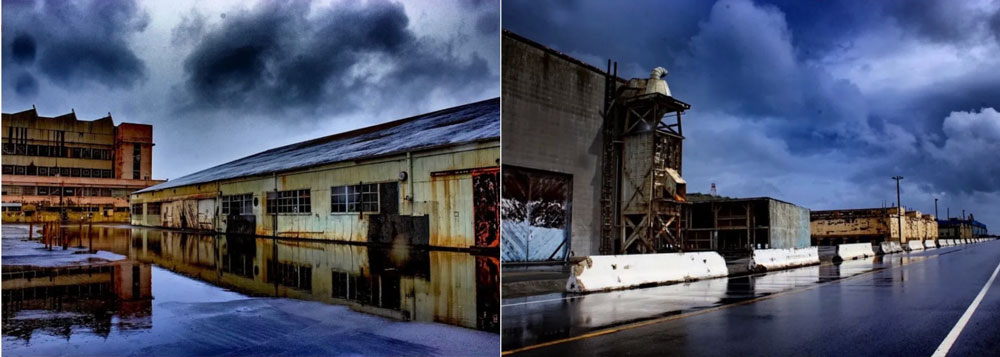
At the Hunters Point Naval Shipyard, a troubling pattern is tightening its grip.
Newly disclosed radiation detections—five separate contaminants exceeding cleanup standards—have reignited fears that the decades-long remediation effort is becoming exactly what critics warn: a “Tar Baby” situation—one that only worsens the more authorities try to manage it.
A Metaphor Turned Reality
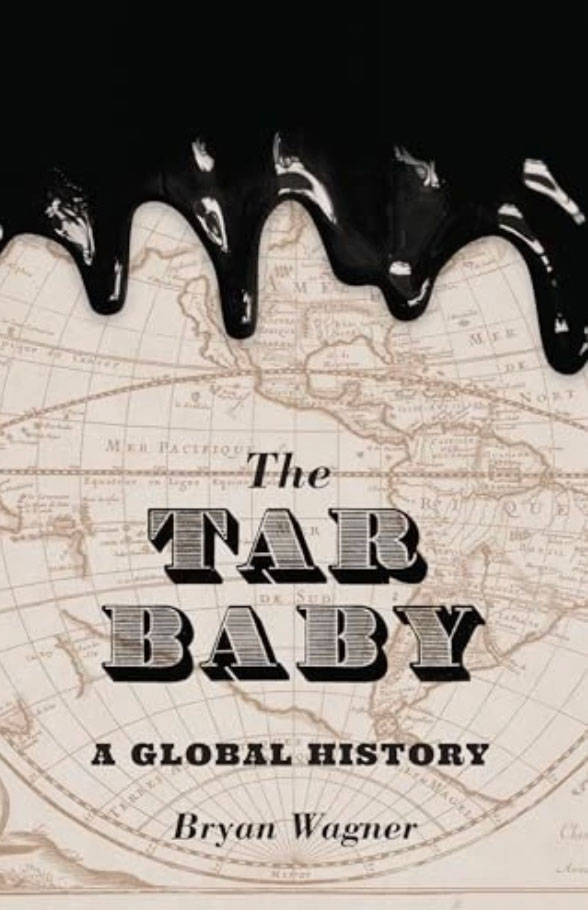
The term “Tar Baby,” rooted in 19th-century folklore, describes a trap that ensnares anyone who touches it—each struggle making escape more difficult.
The metaphor of the Tar Baby is grounded in historical fact described by Frederick Douglass in how slave owners used food as a weapon of control. In his autobiography Douglass describes the use of tar fences to keep hungry slaves out of fruit gardens. Those found with tar on their bodies were brutally whipped until “the slaves became as fearful of the tar as of the lash realizing the impossibility of touching tar without being defiled.”
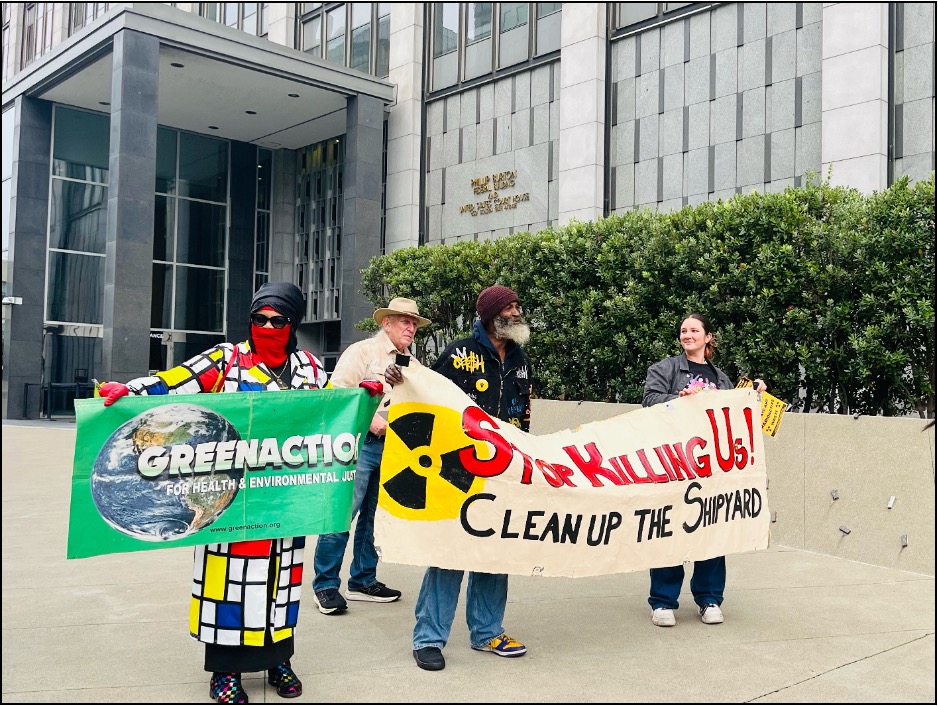
For residents and watchdogs in Bayview-Hunters Point, the metaphor is no longer abstract.
It now defines the cleanup itself.
What began as a federal promise to remediate one of the nation’s most contaminated naval sites has evolved into a cycle of alarming discoveries, disputed data, and eroding public confidence.
Five Contaminants, Five Flashpoints
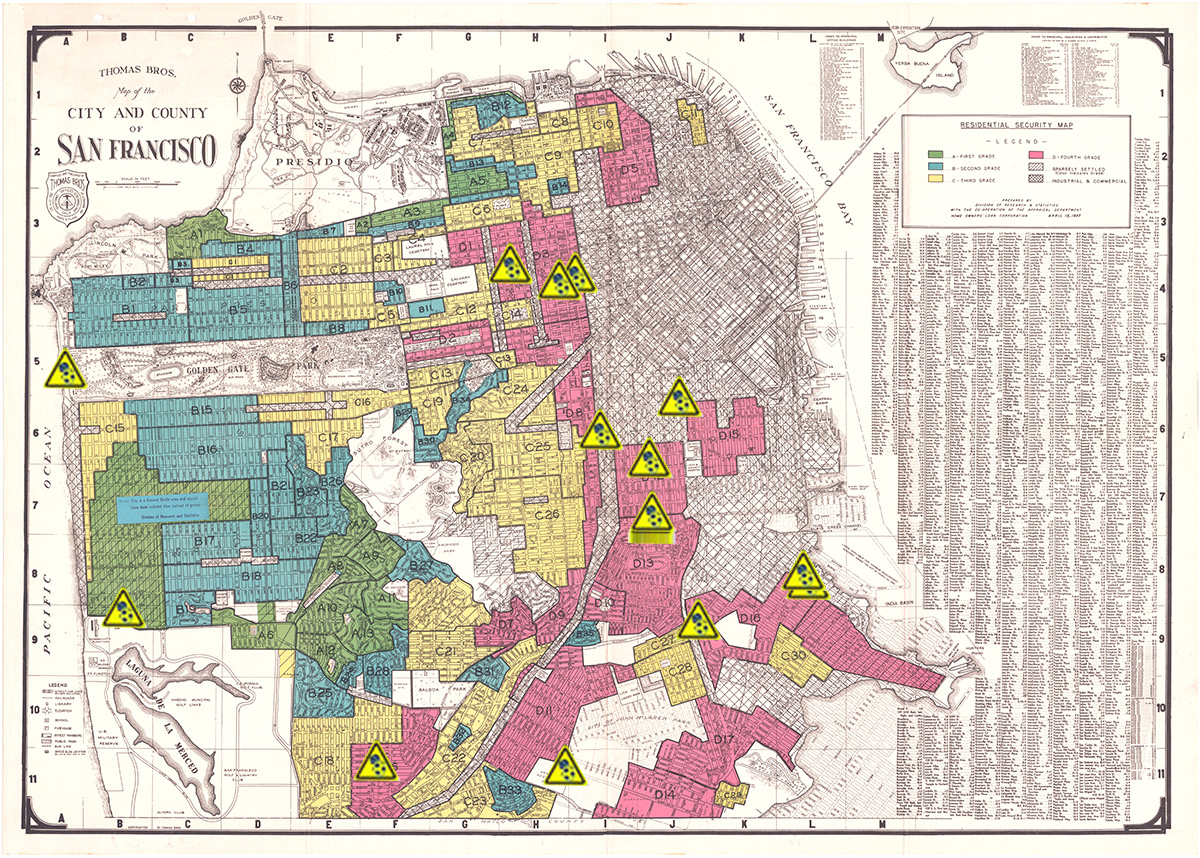
At an April 27, 2026 public meeting, officials disclosed that soil samples collected in March contained elevated levels of Cesium-137, Uranium-235, Plutonium-239, Strontium-90, and Thorium-232—each exceeding health-based cleanup thresholds.
The detections span five locations, including areas tied directly to city infrastructure and residential access points.
Among them: the Crisp Road corridor, a key route connecting the shipyard to surrounding neighborhoods—where families live, commute, and gather.
For many, the implications are immediate and personal.

It’s not just the contamination,” one attendee said. “It’s the system around it that’s stuck.”
“Lab Error”—Again
Despite the seriousness of the findings, officials have again raised the possibility that the results may be due to laboratory error.
The explanation echoes a controversial 2024 incident involving airborne Plutonium-239—detected at twice the actionable level but later dismissed after months of silence.
To critics, the repetition is no coincidence.
Each new entanglement—each contested finding—adds another layer to a cleanup effort already mired in doubt.

Who Holds the Data, Holds the Narrative
At the center of the controversy is the United States Navy, which leads the cleanup under federal authority.
But critics argue that the Navy’s control extends beyond remediation—encompassing site access, contractor oversight, and key data systems used to assess risk.
One of the most contentious issues is the use of the Navy’s preferred radiation risk model rather than relying solely on benchmarks from the Environmental Protection Agency.
EPA analyses have historically produced higher risk estimates.
The difference is not academic—it shapes how “safe” the site is declared to be.
And ultimately, whether redevelopment proceeds.
Regulators Under Scrutiny
At the April meeting, an EPA representative appeared to support the Navy’s position that earlier radiation spikes were likely erroneous.
The response drew sharp criticism from residents and advocates, who say oversight agencies are becoming entangled in the very system they are meant to police.
The result, they argue, is regulatory paralysis—or worse, complicity.
A Community Caught in the Middle
The stakes are especially high in Bayview-Hunters Point, one of San Francisco’s most historically burdened neighborhoods.
Longstanding concerns about environmental justice have intensified as new findings emerge.
Particularly alarming are reports that contaminated zones remain near active transit corridors and residential areas—and that some public-facing programs have brought children into proximity with still-regulated Superfund land.
For residents, the issue is no longer just about cleanup timelines.
It is about exposure, transparency, and accountability.
The Briar Patch Problem
In the original fable, the trapped character escapes only by embracing the terrain he knows best.
But at Hunters Point, there is no clear escape.
Each attempt to resolve one issue—whether through new testing, revised models, or public reassurances—seems to uncover another.
The cleanup is no longer a linear process.
It is a feedback loop.
And with every new revelation, the entanglement grows.
What Comes Next

The Hunters Point Shipyard has long been positioned as a cornerstone of San Francisco’s future development.
But that future depends on a single, unresolved question:
Can the site be trusted as safe?
Until that question is answered—clearly, transparently, and credibly—the Tar Baby metaphor will continue to resonate.
Not as folklore.
But as warning.