Props A–D: Four Decisions That Define San Francisco’s Future
A Westside Observer Special Election Feature
Editor’s Note: This is an attempt at unbiased summary from the Voter's guide. Opinions noted are from the voter guide. They do not reflect the position of the West Side Observer.
• • • • • • • • • • May 2026 • • • • • • • • • •
F our ballot measures. Billions in consequences. And sharply divided political coalitions battling for control of San Francisco’s future.
💰 Follow the Money
June 2026 SF Ballot
Total Money Raised:
- Prop A — ~$1.5 million
- Prop B — ~$345,000
- Prop D — ~$1.13 million
- Prop C vs D combined — $4+ million
Top Spending Committees
- Yes on C / No on D (Business Coalition) — ~$1.47M spent
- Neighbors for a Better San Francisco Advocacy — ~$1.2M
- Yes on D – Stand Up for SF (Labor) — ~$721K
- Yes on A – Earthquake Safety Bond Committee — ~$300K
Top Donors Across Ballot Measures
- Chris Larsen — $700,000
- Michael Moritz — $625,000
- Christian Larsen — $500,000
- SEIU Local 2015 — $450,000
- SEIU Local 1021 — $350,000
Source: San Francisco Ethics Commission campaign finance dashboard (updated April 2026)
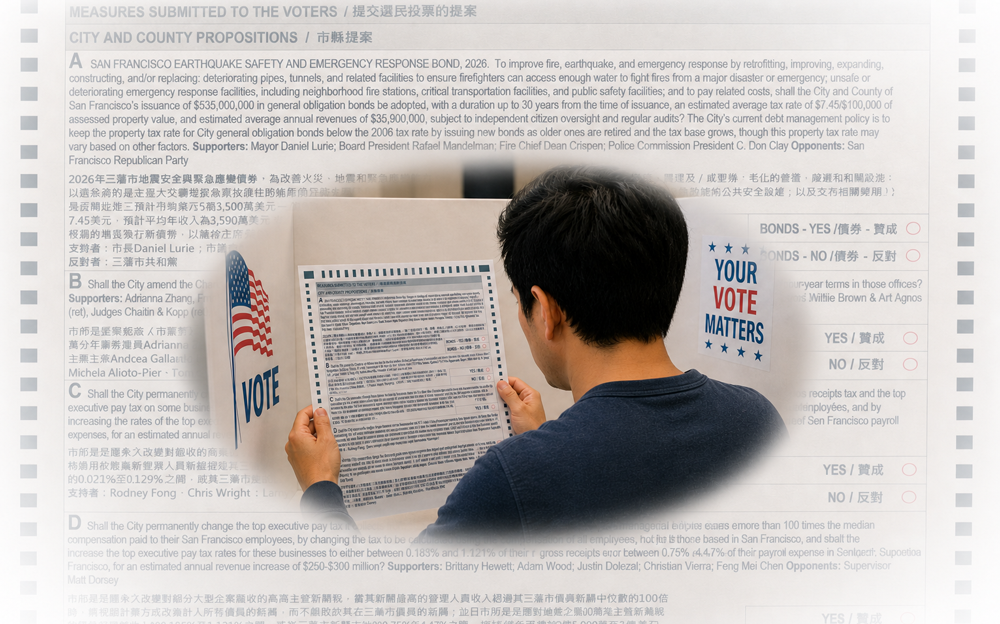
Proposition A — Earthquake Safety Bond
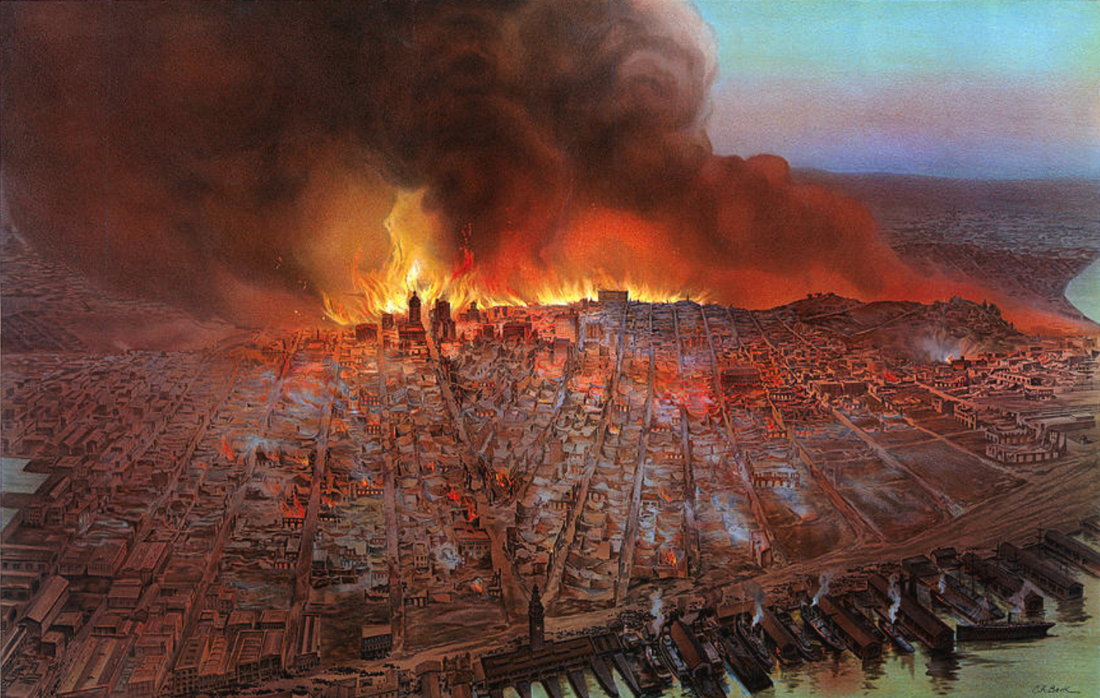
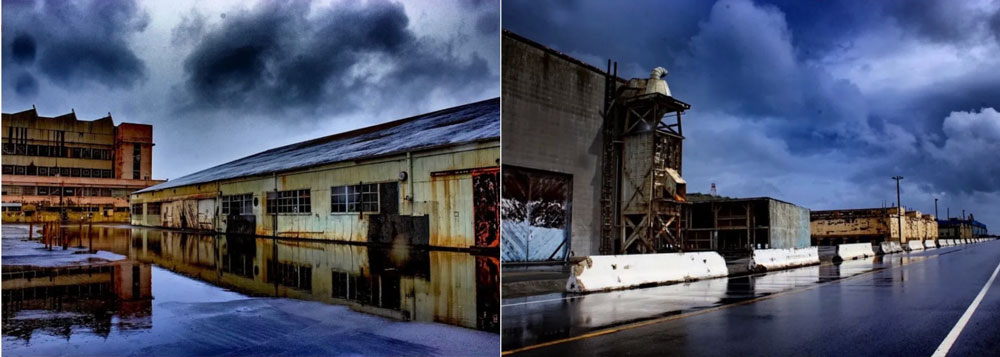
Proposition A would authorize $535 million in bonds for earthquake safety and emergency response, including firefighting water systems, fire and police stations, disaster-response infrastructure and the Potrero Yard Muni facility.
The case for: Supporters warn a major earthquake is inevitable and argue the City must invest now in firefighting water, seismic upgrades and emergency systems. They say preparation will save lives, protect property and reduce long-term recovery costs.
The case against: Opponents argue the bond is too expensive and too broad, bundling core safety upgrades with unrelated projects like Potrero Yard. They warn it could raise taxes and say voters are being asked to approve spending — a slush fund without clearly defined expenditure or project details.
Who supports it:
- Mayor Daniel Lurie
- Board President Rafael Mandelman
- San Francisco Firefighters Local 798
- Fire Chief Dean Crispen
- San Francisco Democratic Party
Who opposes it:
- Coalition for San Francisco Neighborhoods
- Westside neighborhood advocates
Campaign spending: Early filings indicate public-safety unions and City Hall–aligned committees are the primary funders supporting Prop A, while opposition spending appears smaller and driven by neighborhood and taxpayer groups. Expect a widening gap as Election Day approaches.
“Spend now — or pay far more when the next earthquake hits.”
Proposition B — Lifetime Term Limits
Proposition B would impose lifetime term limits, preventing anyone from serving more than two terms as mayor or supervisor — even if those terms are not consecutive.
The case for: Supporters say the measure closes a loophole that allows politicians to return after a break. They argue it prevents entrenched power, encourages new leadership and keeps City Hall accountable.
The case against: Opponents call it a “lifetime ban” that strips voters of choice. They argue existing term limits already work — for example, only one San Francisco leader has returned to serve after the required break. One person in 34 years. Experienced leaders should not be permanently barred if voters want them back.
Who supports it:
- Nancy Pelosi
- Mayor Daniel Lurie
- Political reform advocates
Who opposes it:
- Former Governor Jerry Brown
- Harvey Milk LGBTQ Democratic Club
- San Francisco Chronicle Editorial Board
- Judges Quentin Kopp (Ret.) and Ellen Chaiten (Ret.)

“This isn’t just tax policy — it’s a multimillion-dollar fight over who pays for San Francisco’s future.”
Proposition C — Small Business Tax Relief
Proposition C would exempt many small businesses (up to $7.5 million in receipts) from certain city taxes and reduce overall business tax burdens, while cutting city revenue by an estimated $30–$40 million annually.
The case for: Supporters say small businesses are struggling with high costs and reduced foot traffic. They argue tax relief will help stabilize neighborhoods, preserve jobs and support economic recovery.
The case against: Opponents argue the Silicon Valley billionaire-backed measure reduces funding for essential services and shields large corporations from higher taxes. They warn it could deepen the City’s budget deficit handing massive tax breaks to the largest corporations in San Francisco.
Who supports it:
- San Francisco Chamber of Commerce
- Golden Gate Restaurant Association
- Hotel Council of San Francisco
- Bay Area Council
- sf.citi
Who opposes it:
- San Francisco Tenants Union
- Progressive housing and labor advocates
Proposition D — Executive Pay Tax Hike
Proposition D would increase taxes on large companies where top executives earn more than 100 times the median worker’s pay, generating an estimated $250–$300 million annually.
The case for: Supporters argue large corporations should pay more to fund essential services, including public health, housing, and emergency response. They frame the measure as a fairness issue.
The case against: Opponents warn the tax could drive employers out of San Francisco, reduce investment and hurt economic recovery. They argue it risks job losses and declining business activity.
Who supports it:
- Labor unions
- Healthcare and social service advocates
- Progressive coalitions
Who opposes it:
- Mayor Daniel Lurie
- San Francisco Chamber of Commerce
- Business and downtown recovery groups
The Bigger Picture
Billionaire donors and labor unions are bankrolling opposing sides, turning what might appear to be technical tax policy into the most expensive and consequential political battle in San Francisco.
Look across the ballot, and a pattern emerges:
- Prop A: traditional public spending coalition vs fiscal watchdogs
- Prop B: reformers vs institutional experience
- Prop C vs D: business-backed tax cuts vs labor-backed tax increases on the richest.
In effect, voters are deciding:
- Should the City borrow more?
- Should politicians be permanently limited?
- Should taxes be lowered to spur recovery — or raised to fund services?
The answers will shape not just policy — but who holds power in San Francisco going forward.
May 2026