The Fires in Los Angeles Were a Warning. San Franciscans Must Not Ignore It.
The time to act is now.
• • • • • • • • July 2025 • • • • • • • •
The January wildfires in Los Angeles were not freak events. They were preventable tragedies made worse by inaction. San Francisco cannot afford to wait for its own hillsides or canyons to ignite before treating this threat with the seriousness it deserves. Sign the Wildfire Prevention and Preparedness Petition.
The next wildfire could be here
In January, two separate wildfires tore through parts of Los Angeles, displacing thousands, destroying homes and sending toxic smoke into neighborhoods. Climate change has upended old assumptions about when and where wildfires strike. The next time this happens, it could be San Francisco. And we are not ready.
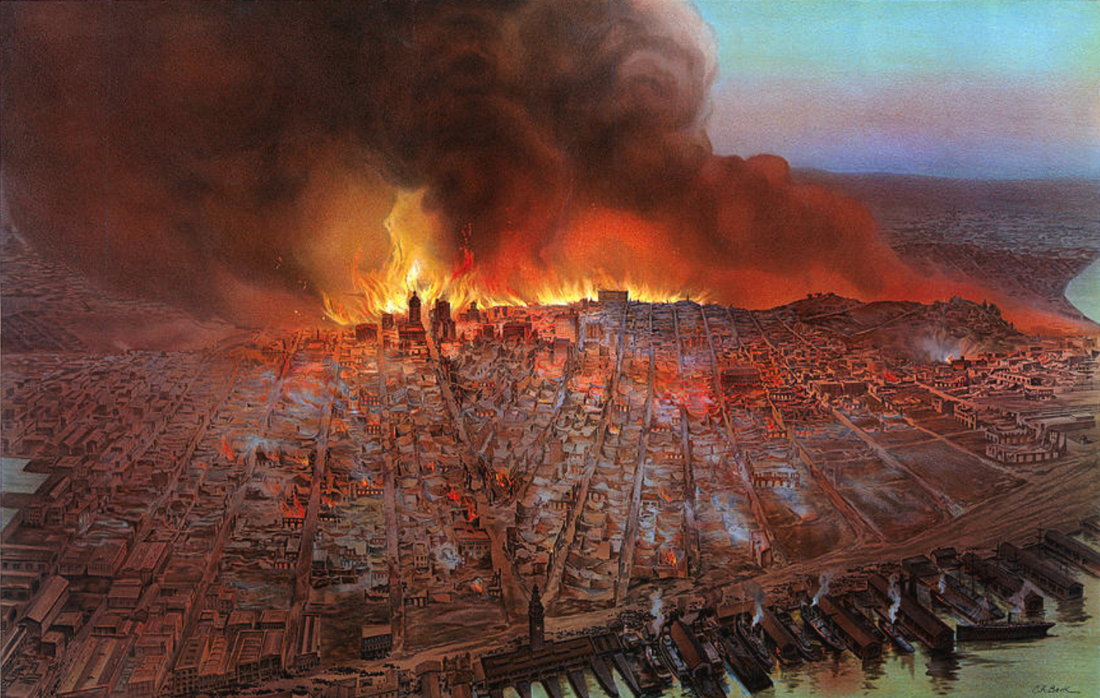
San Francisco officials have long treated the city as insulated from wildfire danger. Because no major fire has burned within city limits since 1934, a dangerous sense of complacency has taken hold. But the climate is changing. Weather conditions are growing more extreme, and if we don't learn from our neighbors to the south, we risk repeating their tragedy — at a potentially catastrophic cost.
A warning from Los Angeles
The Palisades Fire erupted amid unseasonably warm, dry weather and single-digit humidity. Fueled by dry vegetation and driven by offshore winds, it raced through canyons, threatened multimillion-dollar homes, and forced chaotic evacuations. Entire neighborhoods were choked in smoke and faced power outages for days.
At the same time, the Eaton Fire burned in the foothills near Pasadena. It tore through steep terrain, overwhelmed fire crews, and triggered air quality alerts across the L.A. basin. Hospitals saw a spike in asthma attacks and respiratory emergencies. These were not isolated disasters. They were the new face of fire in California.

In October and November of last year, the National Weather Service issued unprecedented red flag warnings for San Francisco... yet vegetation management is minimal across city-owned lands. Large groves of flammable eucalyptus remain unmanaged, enveloped by thick undergrowth and combustible leaf litter. These trees are particularly dangerous — they burn hot, can launch embers miles away, and their peeling bark acts as a fire ladder that pushes flames into the canopy.”
San Francisco is not immune
It's easy to believe a fire like that couldn't happen here. But that mindset leaves us vulnerable.
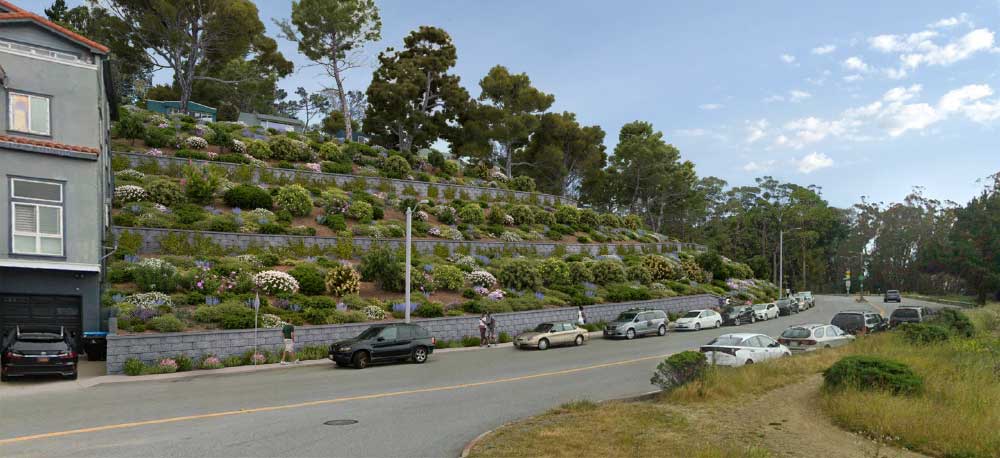
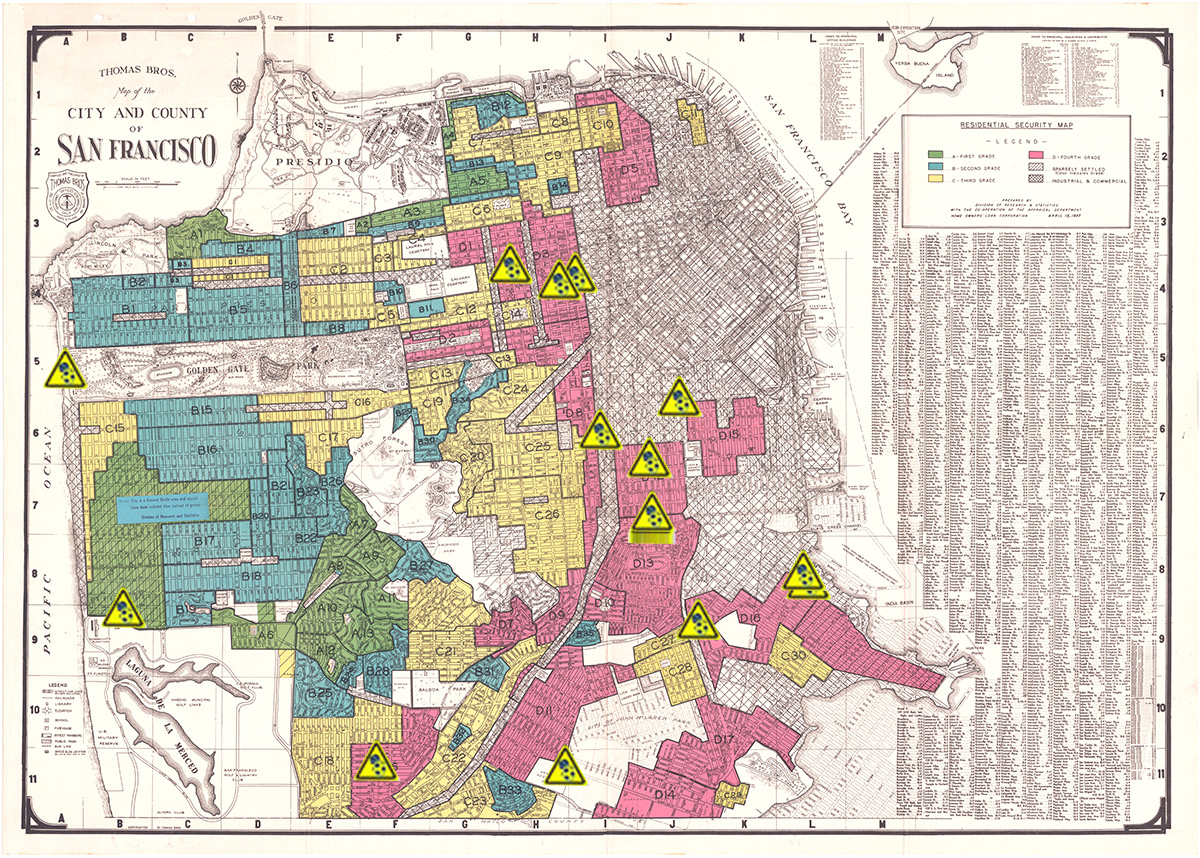
San Francisco is interwoven with wildland areas: unirrigated eucalyptus groves, steep canyon hillsides and places like Glen Canyon Park — 70 acres of dense vegetation surrounded by residential neighborhoods. A fire sparked in one of these areas, especially during fall's dry easterly winds, could move fast and furiously before firefighters even arrive.
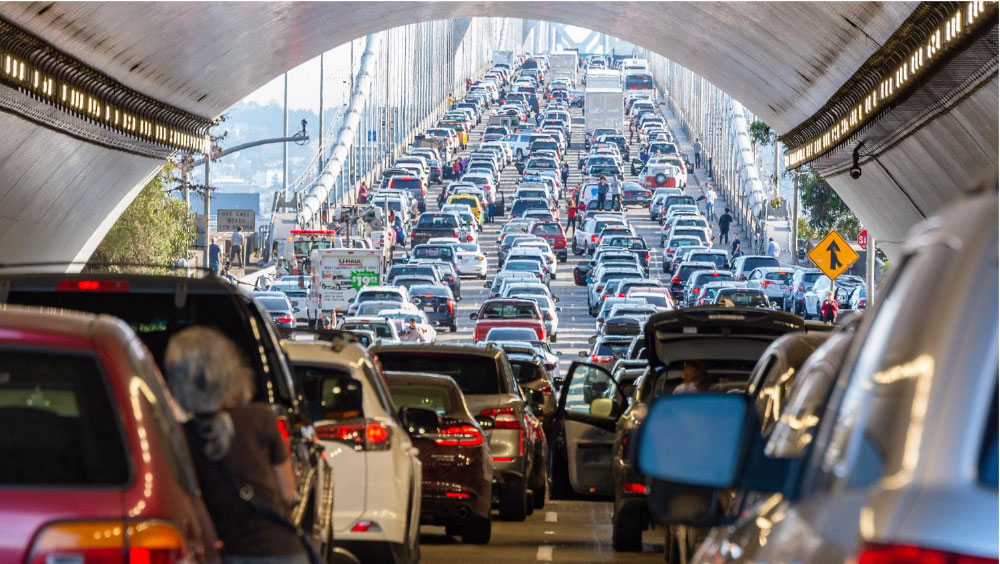
Our city's topography makes matters worse. Narrow streets, limited evacuation routes and high-density housing would turn any wildfire into a nightmare scenario.
We are part of the same ecosystem as the rest of California — exposed to the same droughts, heat waves and red flag warnings. We are not exempt.
We are not prepared
In October and November of last year, the National Weather Service issued unprecedented red flag warnings for San Francisco. But our response capacity remains dangerously underdeveloped.
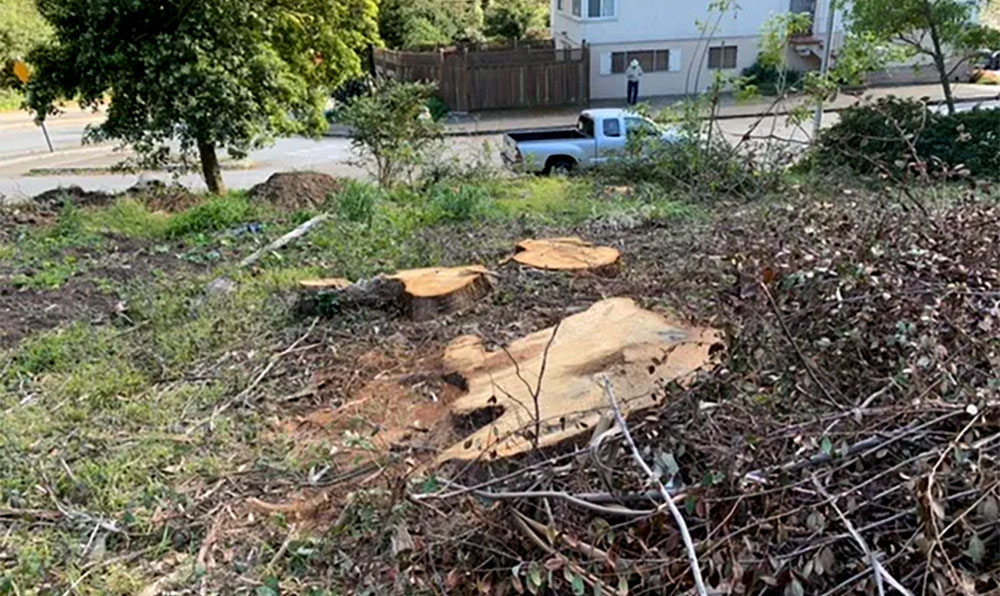
Vegetation management is minimal across city-owned lands. Large groves of flammable eucalyptus remain unmanaged, enveloped by thick undergrowth and combustible leaf litter. These trees are particularly dangerous — they burn hot, can launch embers miles away, and their peeling bark acts as a fire ladder that pushes flames into the canopy.
There is no clear, citywide evacuation plan. Many residents don't know whether they live in a fire hazard zone or what to do on a red flag day. The city's emergency alert system, AlertSF, remains under-promoted. Few residents keep go-bags. Few neighborhoods conduct evacuation drills. And our public preparedness efforts remain focused on earthquakes and power shutoffs, while wildfire risks grow more urgent each year.
The L.A. fires showed that urban wildfires are no longer anomalies. They are becoming routine.
What San Francisco must do — now
We no longer have the luxury of time. San Francisco needs coordinated, immediate action. Here's what that looks like:
• Vegetation management: Establish a citywide strategy to reduce wildfire fuels, with clear responsibilities, funding and deadlines. Thin overgrowth, remove invasive species and create defensible space around homes and infrastructure.
• Evacuation planning: Every neighborhood near open space must have an evacuation plan, complete with signage, designated centers and traffic routing. Vulnerable populations — including seniors, people with disabilities and non-English speakers — must be prioritized.
• Drills and training: Regular fire drills should involve residents, first responders and emergency managers. Evacuation plans mean little if people don't know how to execute them.
• Public education: Launch a campaign to raise awareness about wildfire risk, red flag days, defensible space and home hardening. Translate materials into multiple languages and post signs at parks and trailheads.
• Air quality resilience: Equip schools, shelters and community centers with HEPA-grade filtration systems. Stockpile N95 masks and identify clean-air refuges across the city.
• Early warning systems: Install wildfire detection cameras, weather sensors and mapping tools in high-risk areas like Glen Canyon, Mt. Davidson and Mt. Sutro — following the lead of Los Angeles.
• Firefighter readiness: Expand San Francisco Fire Department's wildland capabilities. Ensure crews are trained and equipped, with access to aerial suppression resources and mutual aid agreements with agencies like Cal Fire.
• Water infrastructure: Extend the city's high-pressure firefighting water system beyond the east side to cover all neighborhoods.
• Funding and accountability: Seek public and private funds to support these initiatives, and establish a wildfire readiness oversight board to track progress and keep City Hall — and the public — accountable.
The time to act is now
Wildfires are no longer just a rural issue. They are an urban emergency. Unless San Francisco prepares now, we risk becoming the next cautionary tale.
Denise Louie and Jake Sigg are environmentalists living on the Westside.
July 2025