Tilting at Windmills
MAGA’s Squandered Energy Disaster
• • • • • • • February 2026 • • • • • • •

The American energy landscape is shifting rapidly, marked by a growing tug-of-war between traditional fossil fuels and investments in renewables. As we look at the current state of the industry, several key developments in policy and infrastructure are shaping our electrical future.

Because data centers can be built much faster than new power plants, there is a growing concern that the U.S. will become increasingly dependent on fossil fuels to meet this demand, potentially accelerating Climate Change. ”
The Debate Over Wind Energy
There is currently significant misinformation about the lifespan of wind turbines. While some critics argue that equipment only lasts seven years—making the technology appear unprofitable—industry data show that well-maintained turbines generally last 20 to 25 years.
Despite this durability, the industry faces significant political and regulatory hurdles:
- Federal Pushback: On January 8, 2026, the Trump administration moved to close four of 5 U.S. wind farm projects. However, on January 28, 2026, Judge Brian Murphy ruled the Vineyard windmill may continue construction.
- Permit Disputes: In New York and Rhode Island, where 80% of projects are already finished, the federal government is reportedly not honoring previously issued construction permits.
- Communication Concerns: Federal authorities requested the closure of offshore turbines in August 2025, citing concerns that steel blades might interfere with military and civilian communications. While the Pentagon initially deemed turbines safe, the sheer size of modern blades—some as long as a football field—has reignited the debate.
Local Impact: The Rhode Island Example
Rhode Island has invested $100 million into wind infrastructure and job training, aiming to create 2,500 jobs and power 350,000 homes. If successful, this would provide electricity at 9.8 cents per kilowatt hour—roughly half of what residents paid last year.
Beyond the power grid, wind energy supports local economies. For example, a group of 200 local fishermen known as Sea Services uses 20 boats to provide essential maintenance, logistics, and security for these farms. Closing these projects would directly impact the livelihoods of these workers.
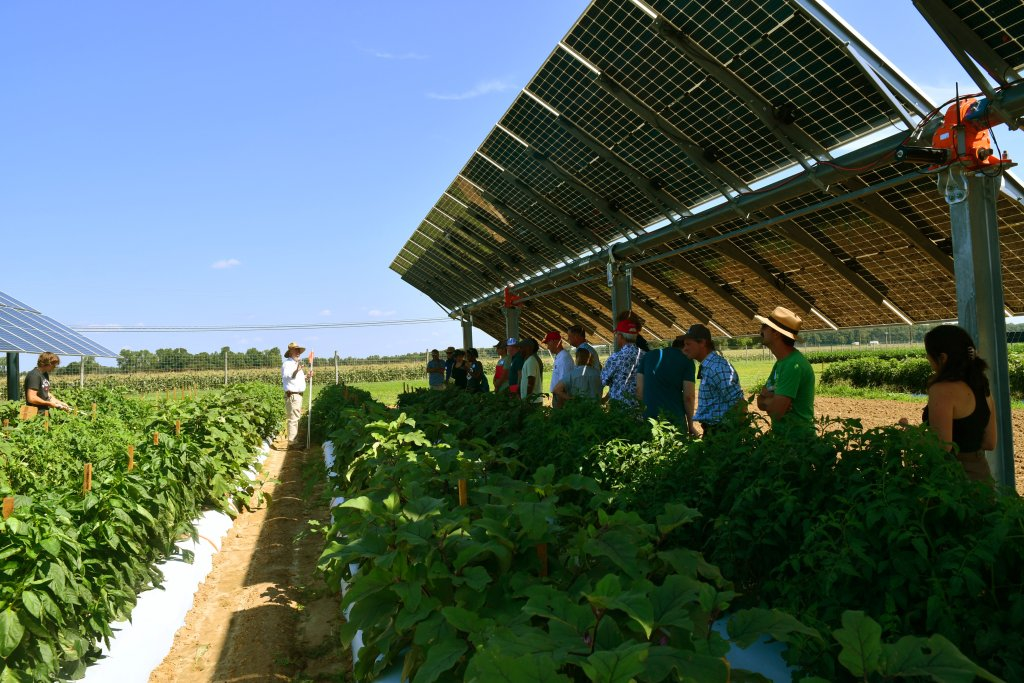
Solar Energy at a Standstill
New permits and construction for solar farms have come to a halt as the federal government withdraws tax credits and essential loans. This stagnation occurs despite a 30% drop in solar costs between 2024 and as utility bills reach record highs. One critic compared the skyrocketing cost of electricity to the "egg inflation" seen during the Avian Flu pandemic. To date, 22 gigawatts of renewable projects—enough to power 16.5 million homes—have been canceled. Disturbingly, 90% of these desert-based projects included vital battery storage components. Since July 2025, the administration has advanced only one initiative: the Libra Solar plant in Nevada, while simultaneously overseeing a surge in permits for coal, oil, and gas.
OPINION OF AUTHOR
The public must demand that federal subsidies for residential solar production be returned and request that wind farms become part of America’s energy future. To meet San Francisco’s 2021 Climate Action Plan (PDF) target of 2040, solar energy could help. Historically, the federal government covered 30% of the cost of solar installations. Today, in San Francisco, subsidies are available through “the GoSolarSF program, which provides cash incentives for residents and businesses to install solar electric systems. Additionally, low-income households may qualify for further assistance under programs like the Disadvantaged Communities - Single-family Affordable Solar Housing (DAC-SASH) initiative, which can cover significant installation costs.” We hope this information allows the public to “Go Solar.”
Coal and International Oil
While wind and solar face challenges, the administration is doubling down on traditional fuels. President Trump has recently praised coal as “the most reliable and secure form of energy”, even as environmental experts highlight it as a major pollutant.
On the international front, the sale of $500 million in Venezuelan oil has sparked conversation. The proceeds were sent to offshore banks, including an account in Doha, Qatar. Critics note that while these offshore funds are shielded from creditors, they are also outside the control of the American people or Congress.
The High-Tech Energy Crunch
The most pressing challenge for the U.S. electrical grid may be the explosive growth of Artificial Intelligence (AI) and data centers.
- Current Use: These sectors account for 4% of U.S. electricity demand.
- Future Projections: Data center consumption is expected to rise to 25% of total electricity consumption.
- Scale: This 25% increase alone is equivalent to the total amount of energy used by the entire country of France today.
Because data centers can be built much faster than new power plants, there is a growing concern that the U.S. will become increasingly dependent on fossil fuels to meet this demand, potentially accelerating Climate Change.
Glenn Rogers, RLA,
Former President, Coalition for San Francisco Neighborhoods (CSFN)
Landscape Architect, License 3223
February 2026