You Can’t Handle the Truth
From Hollywood Courtroom Drama to a Real-World Cover-Up

• • • • • • • • February 2026 • • • • • • • •
One of the most famous lines in modern cinema — “You can’t handle the truth!” — bellowed Jack Nicholson in the 1992 courtroom drama A Few Good Men. While the film never explicitly states that it is based on real events, its central narrative was inspired by an actual military case involving allegations of abuse, secrecy, and misconduct at the U.S. Naval Base in Guantanamo Bay, Cuba.
The Real Case Behind A Few Good Men
The events that inspired A Few Good Men stem from a life-threatening hazing incident known as a “Code Red,” ordered by naval command in 1986. The incident nearly killed Private First Class William Alvarado, who had written letters to a U.S. congressman complaining about illegal activities and unsanitary conditions at Guantanamo Bay.
According to widely documented accounts, screenwriter Aaron Sorkin was inspired to write the screenplay after a phone call with his sister, Deborah Sorkin, a graduate of Boston University School of Law and a member of the U.S. Navy Judge Advocate General’s Corps. Deborah Sorkin had been assigned to defend Marines accused of nearly killing a fellow service member during the hazing incident.
Aaron Sorkin went on to receive multiple award nominations for A Few Good Men, winning Best Adapted Screenplay from the Awards Circuit Community Awards.
Deborah Sorkin: The Real-Life Center of the Story
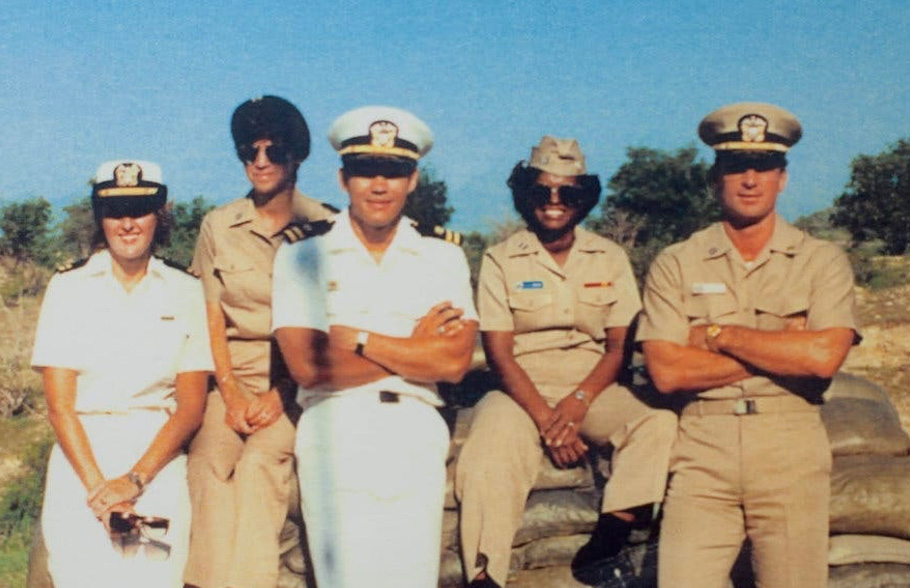
While the film places significant focus on the fictional Navy JAG lawyer Lt. Daniel Kaffee, portrayed by Tom Cruise, the real-life legal battle centered on Deborah Sorkin. Her determination, persistence, and willingness to confront senior military leadership formed the backbone of the case.
Sorkin challenged the conduct of high-ranking Navy officials while advocating for accountability on behalf of a service member who survived a life-threatening gagging and hazing incident. In the film, her character is portrayed by Demi Moore.
“I Think the Public Should Know… Eventually”
Decades later, the famous line from the film resonates far beyond military courtrooms.
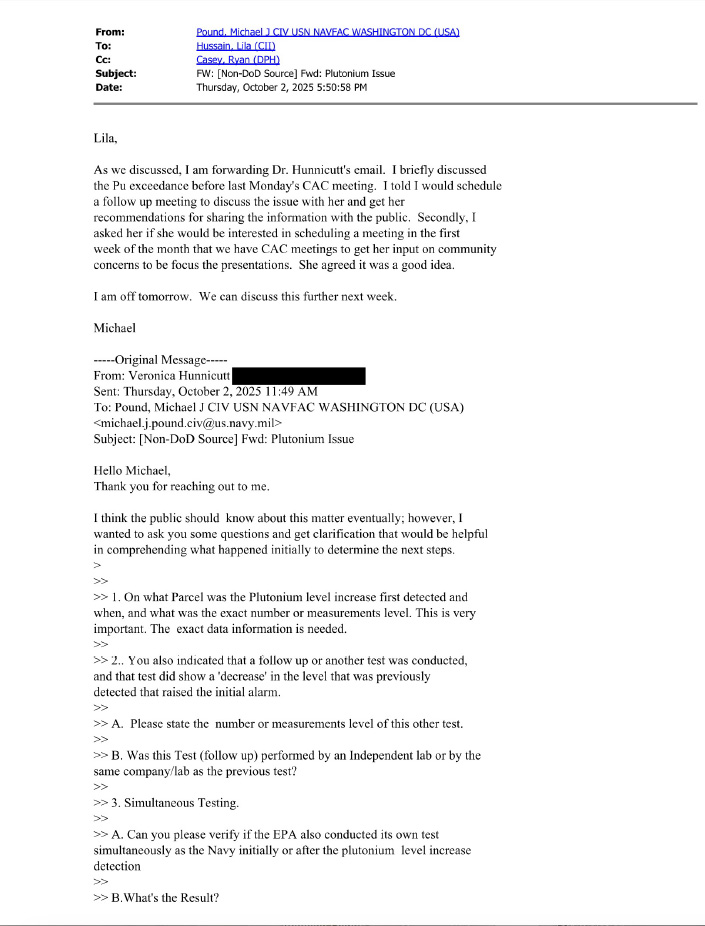
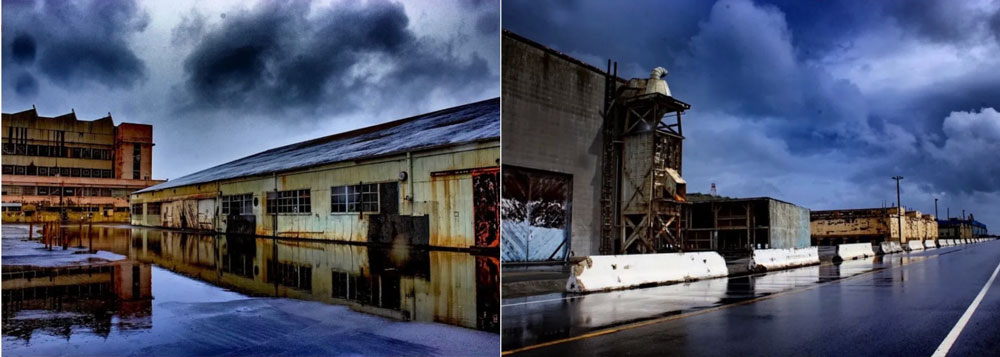
According to emails obtained by the San Francisco Public Press and published in a detailed timeline by award-winning journalist Chris Roberts, San Francisco city officials were aware for more than a month of the detection of airborne plutonium before informing the public or the Mayor.
The emails document communications between Navy BRAC Coordinator Michael J. Pound, Lila Hussain of the Office of Community Investment and Infrastructure, and Ryan Casey of the San Francisco Department of Public Health. The correspondence suggests coordinated efforts to delay disclosure of the detection of plutonium-239, a highly radioactive byproduct of nuclear fission, at a federally designated Superfund site.

According to the Federal Bureau of Investigation, concealing the detection of airborne plutonium at a federal Superfund site may rise to the level of a national security breach.”
Federal Crimes and National Security Implications
Conspiracy to conceal radioactive contamination at a federal Superfund site is a serious federal offense. Such cases are typically prosecuted under statutes related to conspiracy to defraud the United States, making false statements, or obstruction of justice, including 18 U.S.C. § 371. Convictions can carry penalties of up to five years in federal prison, along with substantial fines.
Legal experts note that conspiracy requires an agreement between two or more parties to conceal hazardous material findings, coupled with overt acts to further that concealment. The Hunters Point Naval Shipyard in San Francisco has previously been cited as one of the largest environmental fraud cases in U.S. history, after Navy contractor Tetra Tech EC, Inc. falsified soil and radiological test results.
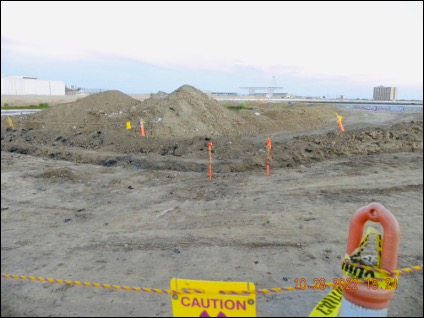
According to the Federal Bureau of Investigation, concealing the detection of airborne plutonium at a federal Superfund site may rise to the level of a national security breach. The FBI has investigated similar cover-ups at multiple sites, including the Rocky Flats nuclear weapons plant in Colorado and the Hunters Point Naval Shipyard in San Francisco.
Hunters Point: A Community Living with the Consequences
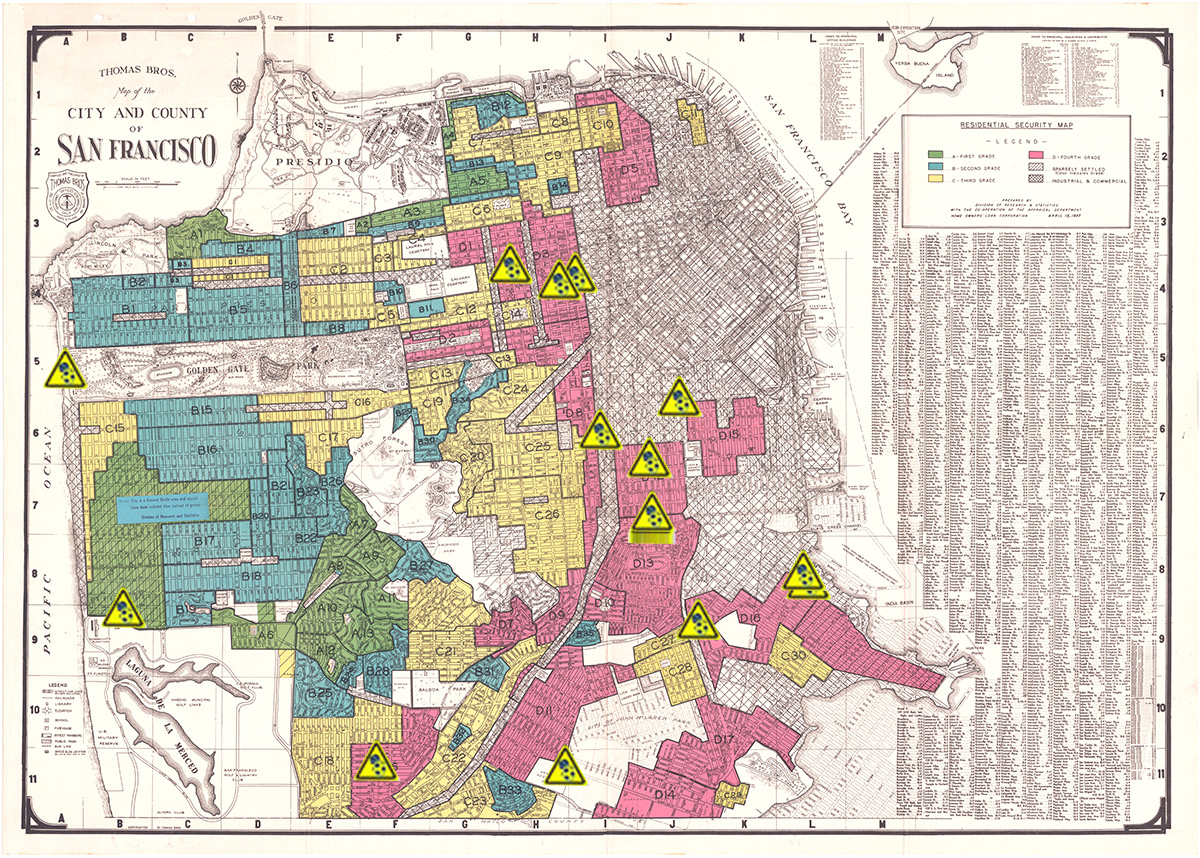
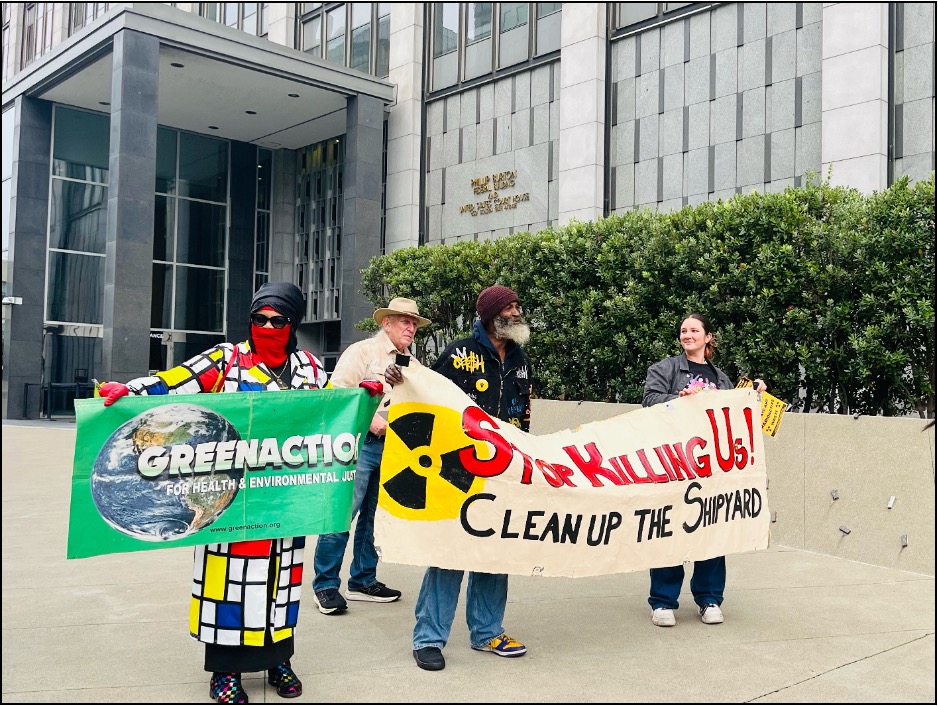
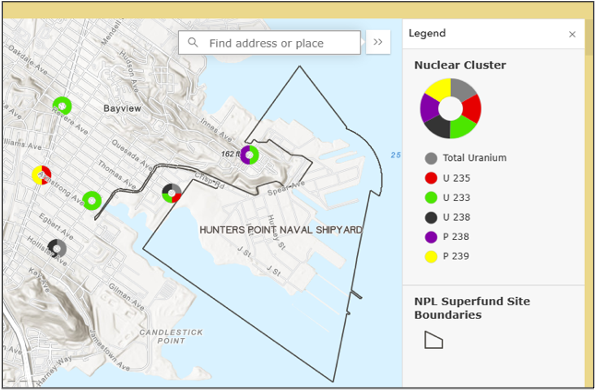
The Hunters Point Naval Shipyard remains one of the most scrutinized Superfund sites in the country. Independent testing by the Hunters Point Biomonitoring Foundation has identified products of nuclear fission in residents living within a half-mile radius of the contaminated site. These findings are documented in the Hunters Point Community Toxic Registry.
From Fiction to Reality
More than thirty years after A Few Good Men brought questions of military accountability into the public consciousness, the central issue remains unchanged: transparency versus secrecy.
As Deborah Sorkin’s real-life case demonstrated — and as current events at Hunters Point suggest — the truth can be inconvenient, uncomfortable, and politically dangerous. But history shows that concealing it often carries far greater consequences.
Dr. Ahimsa Porter Sumchai is an environmental activist and Community Healer/UCSF Alumni living on the Westside.
February 2026