”Radiation Risk Ignored?“ Outrage Erupts Over Hunters Point Shipyard Demolition Plan
Residents Sound Alarm as Navy Moves Forward Without Key Safety Protections

• • • • • • • • April 2026 • • • • • • • •
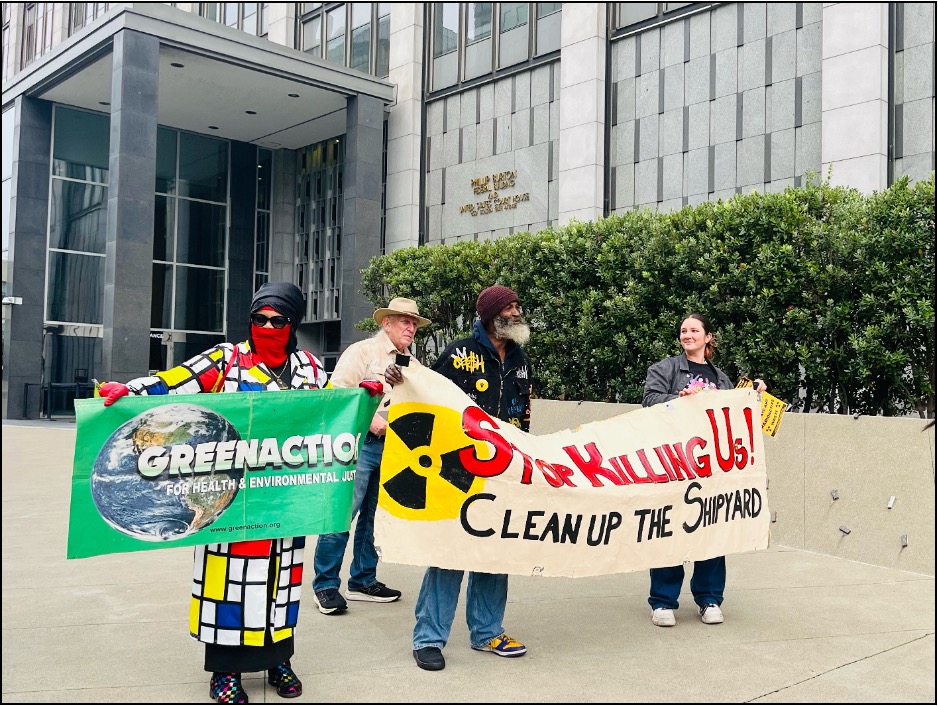
AA growing storm of concern is sweeping through the Bayview–Hunters Point community after local scientists and advocates accused the U.S. Navy of advancing a demolition plan that could expose residents and workers to dangerous radiological contamination without adequate safeguards in place.
At a March 18 meeting, the Hunters Point Biomonitoring Foundation Board of Directors unanimously approved an emergency four-point protection platform, warning that the Navy’s plan for demolishing multiple contaminated buildings at Parcel G represents a “clear and present human exposure risk.”
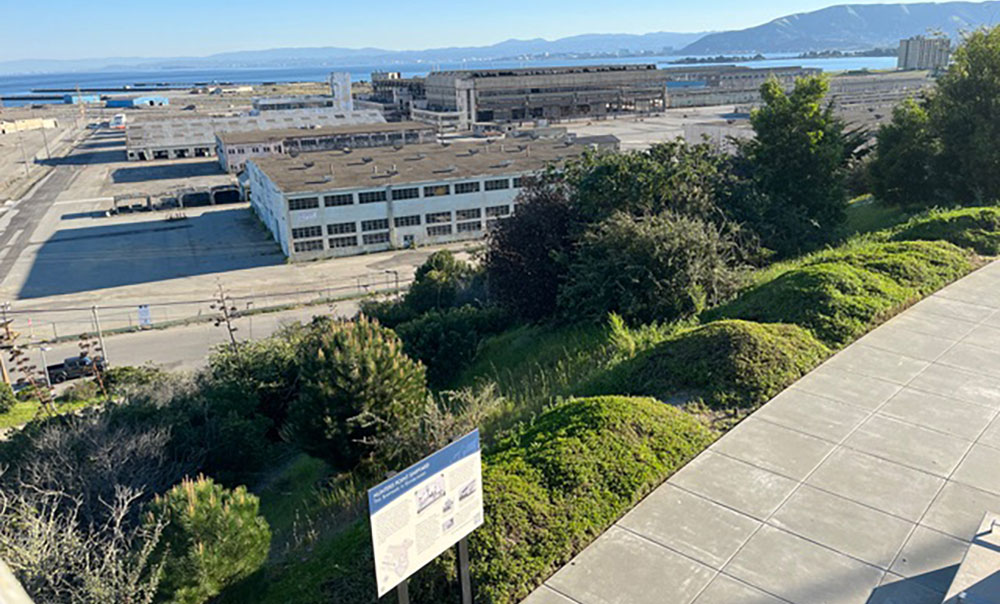

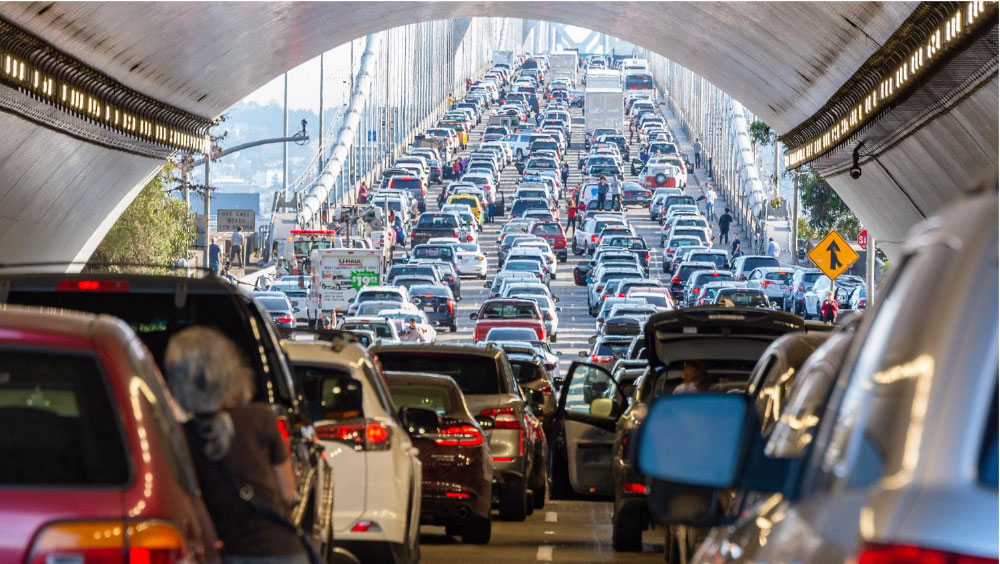
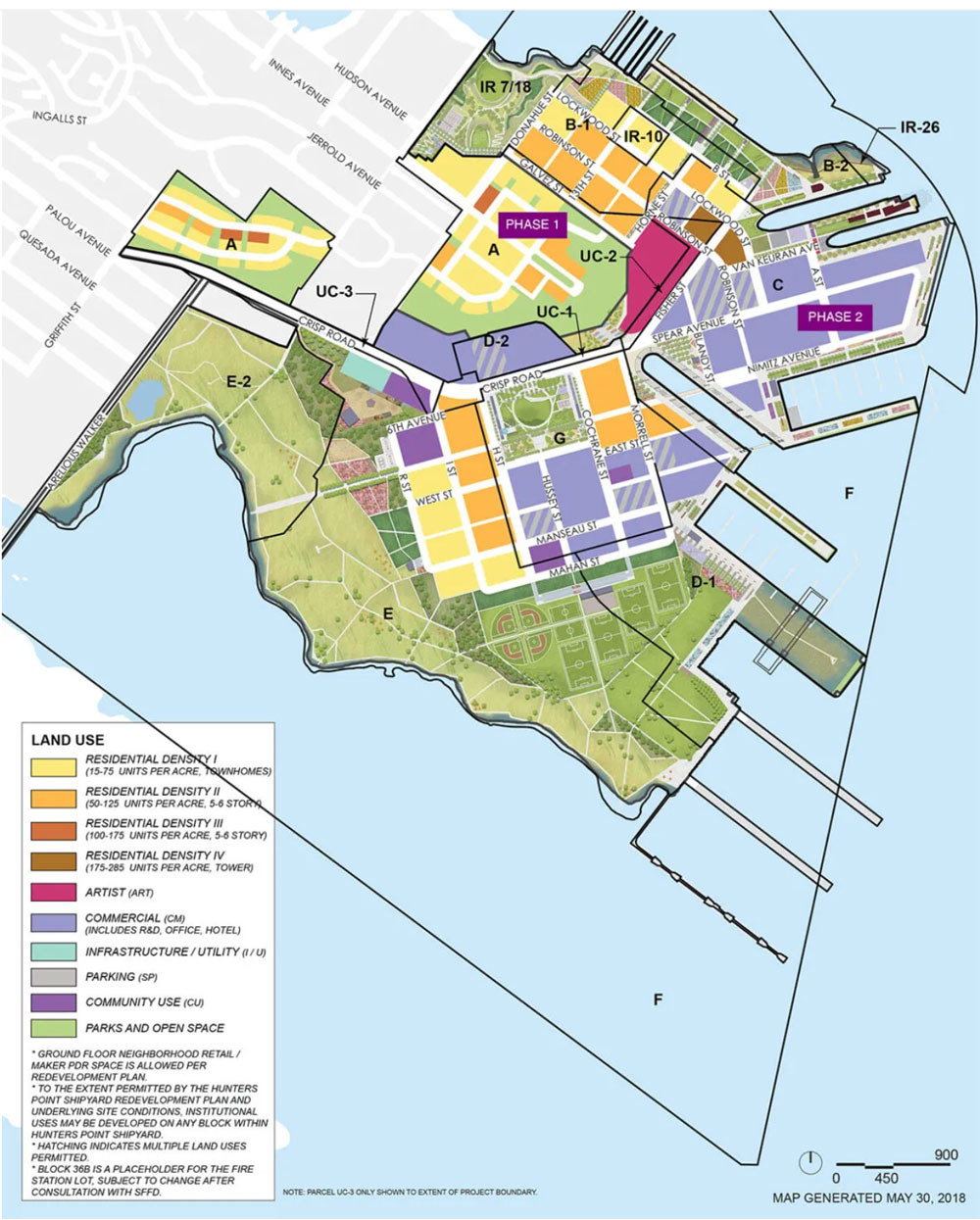
Of particular concern is the proposed transport route for demolition debris and hazardous waste along Crisp Road to the intersection near the 1000 block of Palou Avenue, a residential corridor in San Francisco. The Foundation argues that moving potentially dangerous material through a neighborhood without a full environmental review is unacceptable.”
“Negligence” Alleged in Federal Demolition Plan
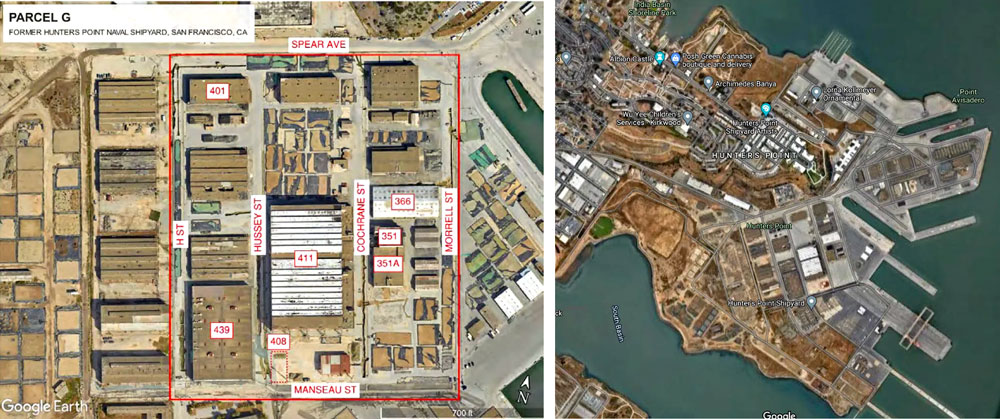
The controversy centers on the Navy Facilities Engineering Command, or NAVFAC, and its March 2026 Draft Final Parcel G Demolition Work Plan, which calls for tearing down several structures linked to past radiological use.
Critics say the plan is dangerously incomplete. The Biomonitoring Foundation contends that the Navy has failed to implement basic worker and resident protections, potentially opening the door to federal tort claims for personal injury and property damage.
The Foundation further argues that the demolition plan does not incorporate required federal OSHA protections for workers who may be exposed to ionizing radiation.
Toxic Legacy, Present-Day Risk
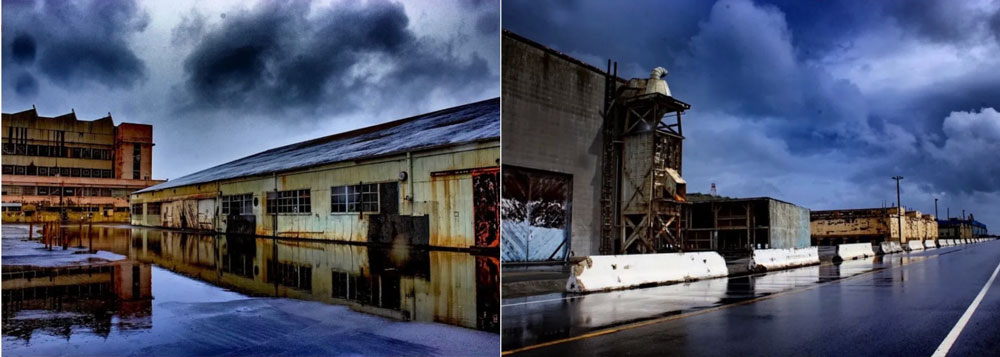
Parcel G is part of the Hunters Point Naval Shipyard, a federal Superfund site long associated with environmental contamination and public distrust.
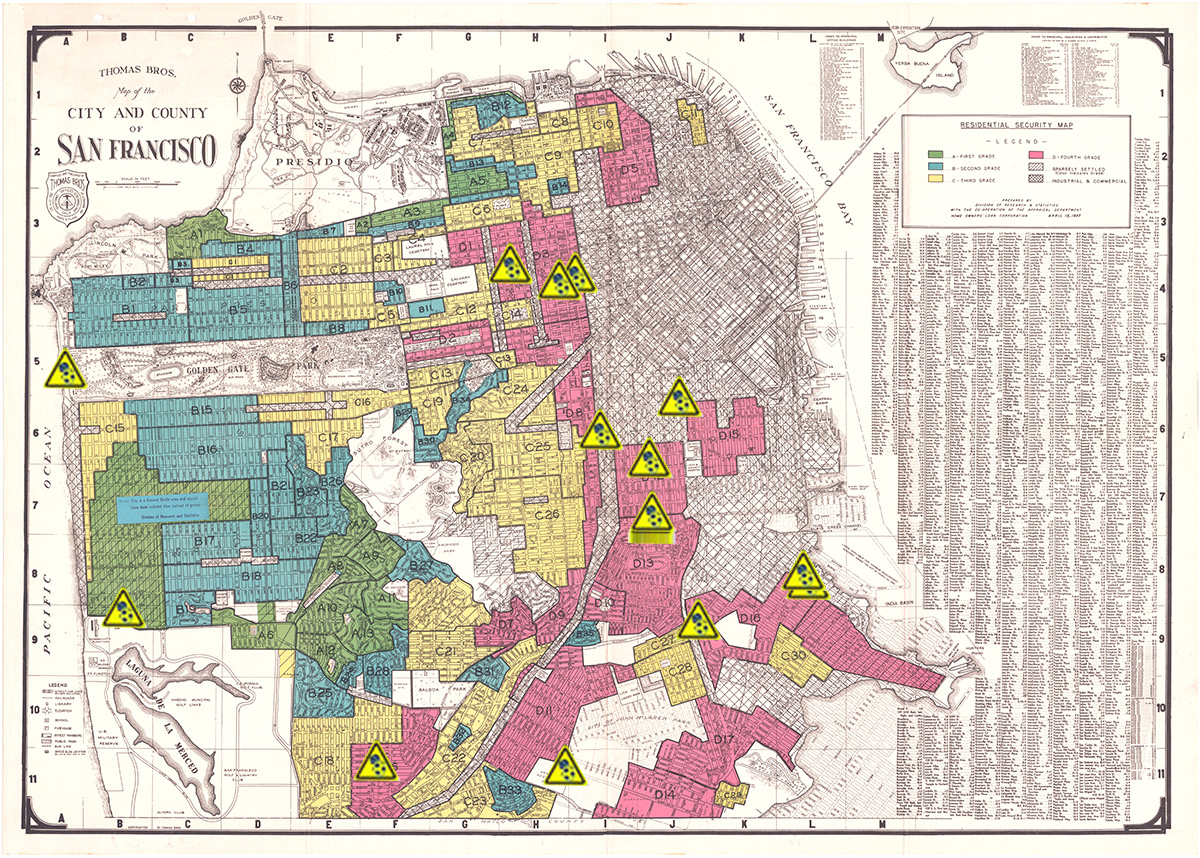
Buildings identified for demolition include structures associated with the historical use of radiological equipment or material. Among them is Building 366, located near the western edge of the demolition zone close to Spear Avenue. According to the material presented by advocates, that building once served as a chemical research laboratory and Naval Radiological Defense Laboratory workshop.
Critics also point to older action summaries that documented radiological contamination in Building 366’s ventilation system and floor drains, raising fears that demolition could disturb or disperse hazardous material into neighboring areas.
The Navy, by contrast, maintains that radiation surveys conducted in 2022 found conditions below the goals in the applicable Record of Decision.
No Clear Disposal Plan for Radioactive Waste
One of the most serious charges leveled by advocates is that the draft demolition plan excludes radiological contamination from its list of environmental considerations and fails to specify disposal sites for radiation-contaminated hazardous waste.
Of particular concern is the proposed transport route for demolition debris and hazardous waste along Crisp Road to the intersection near the 1000 block of Palou Avenue, a residential corridor in San Francisco. The Foundation argues that moving potentially dangerous material through a neighborhood without a full environmental review is unacceptable.
Advocates say no environmental review has been conducted as required under the National Environmental Policy Act, or NEPA, and the California Environmental Quality Act, or CEQA.
Community Says It Has Been Left Unprotected
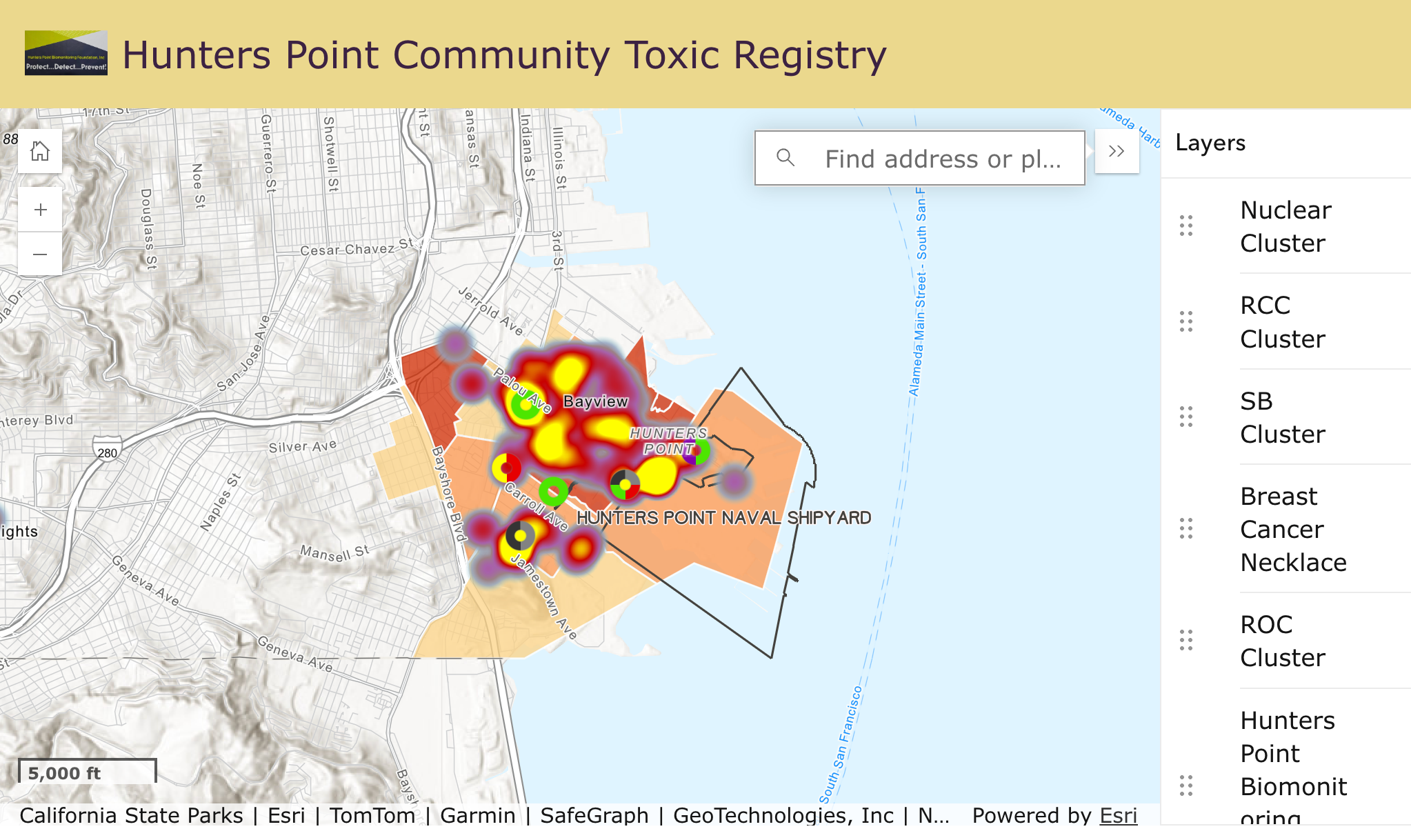
The Foundation also raised concerns about transparency, local accountability, and visible safety failures on the ground. According to the document, 14 prime contractors are involved in the Parcel G demolition effort, and none reportedly have 415 area code phone numbers.
Photographs taken March 20 allegedly show no fence-line fortifications in place at Parcel G, despite calls for barriers and warning signage required by the demolition plan and Proposition 65.
Four-Point Protection Plan Demands Immediate Action
In response, the Hunters Point Biomonitoring Foundation adopted a four-point platform aimed at protecting residents and workers during both Phase I and Phase II building demolitions.
1. Neighborhood Watch and 24/7 Monitoring
The group calls for a permanent San Francisco Shipyard Building Demolition Neighborhood Watch, along with publicly accessible live-stream cameras overlooking the demolition zones.
2. Fence-Line Fortification and Hazard Signage
Advocates want immediate installation of visible barriers and warning signs to alert the public to possible hazards at the site.
3. Community Notification Plan
The proposal also calls for a formal notification system modeled after emergency communications used during previous shipyard incidents, including the aftermath of the August 2000 Parcel E-2 landfill fire.
4. Temporary Emergency Relocation Plan
The Foundation is demanding provisions for urgent relocation of residents and business owners who suffer injury, secondary illness, or property damage tied to demolition activity.
High Stakes for Bayview–Hunters Point

when he and his friend Wardell Coleman, Jr
were killed in a construction site landslide
in 1974. Youngblood Coleman Playground
opened in 1976 -a safe location for recreation.
The fight over Parcel G reaches far beyond a demolition schedule. For residents living near the western boundary of the shipyard, the dispute cuts to the core of public health, environmental justice, property protection, and faith in government oversight.
With demolition either imminent or already underway, pressure is mounting on city, state, and federal officials to determine whether the current plan adequately protects the people who live and work closest to the site.
For critics of the project, the central question is blunt: after decades of controversy surrounding Hunters Point Shipyard contamination, why are residents once again being asked to trust that everything is safe?
Dr. Ahimsa Porter Sumchai is an environmental activist and Community Healer/UCSF Alumni living on the Westside.
April 2026